
Home saunas are an amazing addition to any home, but what does one cost? Learn…

Luxury Home Saunas: High-End Features Worth Having
Discover how luxury home sauna features add lasting appeal and value while delivering spa-quality wellness at home. Expert NC buyer’s guide.
You know it’s coming every month, and still every month it feels like a gut punch: The bill from that expensive spa or gym membership you barely use. What if I told you that investing in a luxury home sauna instead could pay for itself in less than a year, while adding serious value to your property? We’re talking about a home upgrade that adds real appeal and value to your property, plus a wellness sanctuary that’s ready whenever you need it.
And you wouldn’t be alone in making the change: The luxury sauna market isn’t just growing, it’s exploding. The US market alone is projected to grow by $151.3 million from 2025-2029, and North Carolina homeowners are leading the charge. But not all luxury saunas are created equal, and it takes a bit of expert advice to know just what to look for.
In this guide, we’ll cover:
- Premium materials that last 30+ years and deliver authentic spa experiences
- Smart technology that lets you control your sauna from your phone
- Investment analysis showing real ROI timelines and property value impacts
Whether you’re building your dream home in Raleigh or upgrading your Charlotte retreat, understanding these luxury features will help you make a decision that pays dividends for decades.
Table of Contents
Show
Understanding the Luxury Sauna Investment
About luxury saunas: the price gap between standard and premium isn’t arbitrary. While average home saunas hover around $3,100, luxury installations range from $7,500 to $12,000 and up. That’s a significant jump, right? But when you break down what you’re actually getting, the math starts making sense.
Standard saunas focus on one thing: heat. They’ll warm up, you’ll sweat, mission accomplished. Luxury saunas, on the other hand, treat wellness as a multi-sensory experience. The differences show up immediately in build quality. Premium units use thick, kiln-dried wood treated to withstand decades of heat and humidity. The heating elements? They’re not just powerful, they’re smart. We’re talking zone-specific infrared panels that target different body areas, full-spectrum wavelengths that penetrate deeper, and systems that maintain consistent temperatures without constant adjustment.
A quality luxury sauna should last 10+ years with minimal maintenance, while budget models often start showing wear after 5-7 years. When you factor in replacement costs, that premium price tag doesn’t look so steep anymore.
Interior designers and realtors consistently report that luxury saunas create an emotional response in buyers that generic bathrooms just can’t match. In North Carolina’s growing markets like Durham or Pineville, that combination translates directly to higher offers and shorter days on market.
Premium Material Selection: The Foundation of Luxury
The wood in your sauna matters more than almost anything else. It’s not just about looks. The right material determines how your sauna feels, how long it lasts, and honestly, how much you’ll actually want to use it.
Japanese Hinoki Wood: The Gold Standard
If saunas had a Rolls-Royce option, Hinoki would be it. This Japanese cypress releases a naturally calming fragrance when heated, creating an aromatherapy experience without adding anything artificial. The wood stays smooth and comfortable even at high temperatures, and it’s incredibly moisture-resistant with a 30+ year lifespan.
The downside? It’s the most expensive option by a considerable margin. Hinoki is best suited for indoor installations where you want that authentic Japanese spa experience.
Thermally Modified Wood: The Performance Leader
Thermowood isn’t actually a wood species; it’s a process. Manufacturers expose wood like Nordic Spruce to high temperatures (180-230°C) in a low-oxygen environment, fundamentally changing its structure. The result is a material that resists moisture and warping far better than untreated softwood.

Thermowood doesn’t warp, crack, or split like other materials. It gives off fewer VOCs and less odor than untreated softwood, making it a clean choice for indoor air quality. The thermal modification eliminates resin completely, so you never have to worry about sticky spots or dripping. It achieves Durability Class 2 rating according to the EN350 standard and delivers 25-30+ years of reliable performance, even in coastal regions.
For outdoor saunas in North Carolina, this is honestly your best bet. The combination of durability, low maintenance, and performance makes it hard to beat.
Western Red Cedar: Traditional Luxury
Cedar is the wood everyone knows. Natural decay and insect resistance means you don’t need chemical treatments. The aroma is distinctly pleasant (though some find it overwhelming), and those rich reddish hues create an undeniably attractive space. Cedar also brings serious insulation properties with its high R-value (a measure for how well wood insulates).
But cedar requires more maintenance than thermally modified options. That beautiful color fades to gray if the sauna’s outdoors unless you treat it regularly. It’s particularly well-suited for indoor installations or covered outdoor spaces where weather exposure is limited.
| Feature | Hinoki | Thermowood | Western Red Cedar |
| Durability | 30+ years | 25-30+ years | 20-25 years |
| Maintenance | Low | Very Low | Moderate |
| Aroma | Natural calming | Minimal/Pleasant | Strong cedar scent |
| Heat Performance | Excellent | Excellent | Very Good |
| Cost | Highest | Moderate-High | Moderate |
| Best Application | Indoor spa rooms | Outdoor saunas | Indoor traditional |
Advanced Heating Technologies That Define Performance
The heating system isn’t just about reaching temperature. It’s about how efficiently you get there, how evenly the heat distributes, and how good you feel during and after your session.
Traditional saunas use hot rocks and steam to heat the air around you. You’re waiting 30-45 minutes for everything to heat up, and you need temperatures around 150-190°F.
Full-spectrum infrared takes a completely different approach, emitting near, mid, and far infrared wavelengths that penetrate directly into your body tissue. When you look at a detailed comparison of infrared vs traditional sauna heating methods, the performance differences become even clearer. Your sauna’s ready in 10-15 minutes instead of 30-45. Operating temperatures are lower (120-140°F), and carbon fiber infrared panels can reduce electricity consumption by up to 30% compared to traditional ceramic heaters.
| Heating System | Heat-Up Time | Operating Temp | Monthly Cost | Best For | Maintenance |
| Traditional Steam | 30-45 min | 150-190°F | $40-60 | Authentic Finnish experience, social sessions | High (rocks, steam generator) |
| Full-Spectrum Infrared | 10-15 min | 120-140°F | $25-40 | Daily use, therapeutic benefits, energy efficiency | Very Low |
| Hybrid Systems | 15-25 min | Variable | $35-50 | Flexibility, multiple users with different preferences | Moderate |
Premium units strategically place heaters throughout the cabin: under benches, beside your calves, in the floor, across the back wall. Zone-specific systems let you customize heat distribution based on what your body needs. Some advanced models have 10+ infrared heaters strategically positioned for optimal coverage.
Smart Home Integration and Control Systems
Modern luxury saunas have evolved far beyond simple temperature dials, they’re now fully connected wellness experiences. With smart home integration and advanced control systems, your sauna becomes a natural extension of your home’s ecosystem, blending technology, comfort, and personalization.
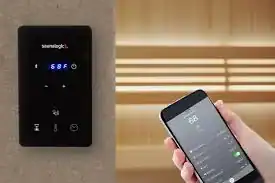
A luxury sauna connects to your home WiFi network, allowing you to control and monitor every feature through a dedicated mobile app or voice commands. It’s not just about turning the heat on, it’s about creating a customized spa session that fits smoothly into your daily routine.
Imagine finishing up a long day at the office, and before you even get out the door, you set your sauna to preheat with just a few taps of your phone screen. By the time you walk in the door, it’s ready at your preferred temperature, the lighting is set to your mood, and your favorite playlist is already queued up.
- Full App Control: Start, stop, and adjust your sauna remotely from your phone or tablet. Manage temperature, lighting, and session duration with ease.
- Personalized Scheduling: Program your sauna to warm up before your morning routine or unwind you in the evening, all automatically.
- Voice Assistant Integration: Connect with Google Home, Amazon Alexa, or Apple HomeKit to control your sauna with simple voice commands.
- Energy Efficiency Monitoring: View real-time energy usage to track and manage costs without compromising comfort.
- Safety Enhancements: Built-in features like automatic shut-off if the door is left open or if temperature limits are exceeded ensure peace of mind.
- Entertainment and Wellness Apps: High-end systems, such as Sunlighten’s mPulse Collection, include Android-powered control panels where you can stream music, watch shows, or follow guided wellness programs like detox or relaxation sessions.
- Software Updates and Upgrades: Regular system updates improve performance and add new features, keeping your sauna on the cutting edge of smart home innovation.
Smart sauna technology isn’t just about convenience, it’s about creating a personal sanctuary that responds to your lifestyle. Every session becomes effortless, efficient, and uniquely yours.
Wellness Enhancement Features Beyond Heat
Luxury saunas improve wellness by engaging all the senses, sight, sound, scent, and even breath, to create a fully immersive experience. The result isn’t just relaxation; it’s total rejuvenation, combining multiple therapies that enhance both body and mind.
While heat remains a key part of sauna therapy, modern luxury models go far beyond temperature control, blending complementary wellness features for a spa experience that feels personal, purposeful, and holistic.
Contrast Therapy (Heat + Cold Plunge)
The pairing of sauna heat with a cold plunge or shower stimulates circulation, reduces inflammation, and speeds recovery. This hot-cold sequence, known as contrast therapy, enhances muscle performance, boosts mood, and deepens the detoxifying benefits of heat alone.
Chromotherapy Lighting
Medical-grade LED lighting systems use color to influence mood and balance the body’s energy:
- Blue: Calms the mind and lowers stress.
- Red: Boosts circulation and energy levels.
- Green: Promotes balance and harmony.
- Yellow: Lifts mood and mental clarity.
- Purple: Encourages relaxation and meditation.
Even if you’re skeptical about color therapy, the effect of soft, ambient light creates a soothing, spa-like atmosphere that feels worlds away from everyday lighting.
Immersive Audio Experience
Built-in Bluetooth surround sound systems (often featuring Blaupunkt speakers, the same used in Porsche vehicles) deliver pristine sound quality. 3D audio positioning makes your sauna feel like a private concert or guided meditation chamber, surrounding you with smooth, full-bodied sound.
Aromatherapy Integration
Built-in essential oil diffusers gently release calming or invigorating scents, turning each sauna session into a customized sensory ritual. Scents like eucalyptus open airways, lavender calms the nervous system, and citrus blends uplift the mood.
Air Purification and Ionization
Oxygen ionizers and Himalayan salt panels actively cleanse the air, releasing negative ions that can improve respiratory health and help the body absorb oxygen more efficiently. The result? Fresher air and an overall cleaner, lighter environment.
Red Light and Near-Infrared Therapy
Integrated red and near-infrared light therapy panels support cellular regeneration, muscle recovery, and collagen production. These light wavelengths work at a deeper level than heat alone, promoting long-term skin health and faster recovery after workouts.
Luxury saunas today don’t just warm your body, they nurture your senses, enhance recovery, and improve your overall well-being. Each feature is carefully designed to turn your daily sauna session into a personalized wellness ritual that rivals a five-star spa.
Installation and Space Planning
Getting the size, power, and placement right from the start can mean the difference between a sauna you use daily and one that gathers dust.
Choosing the Right Sauna Size
Your ideal sauna size depends on how you plan to use it, for solo relaxation, family sessions, or social gatherings.
- Two-Person Saunas: Require a 48″–60″ footprint, perfect for smaller spaces or couples who prefer quiet, personal relaxation.
- Four-Person Saunas: The standard residential size, offering a balance of comfort and efficiency for families or small groups.
- Five to Nine-Person Saunas: Enter the world of true luxury, ideal for entertaining or spa-inspired home wellness suites. Expect to dedicate at least 100 sq. ft. for these larger installations.
Indoor vs. Outdoor Sauna Placement
North Carolina’s climate makes both indoor and outdoor saunas viable year-round, but installation requirements differ significantly. Indoor saunas need proper ventilation to handle moisture (that adds roughly $3,000 to your installation cost on average). Choosing between indoor vs outdoor saunas involves weighing factors like convenience, space, and long-term maintenance.
Electrical and Permit Considerations
Luxury saunas require dedicated electrical connections to operate safely and efficiently:
- Power Requirements: Most models run on 120V or 240V circuits with dedicated breakers.
- Professional Installation: A licensed electrician should handle wiring, ensuring everything meets North Carolina electrical codes.
- Estimated Electrical Costs: Expect to pay between $500–$1,500 for electrical setup.
- Permitting: If you’re in North Carolina, our guide on whether you need a permit to install a home sauna in NC clarifies county-specific requirements.
DIY vs. Calling a Professional
Modern luxury saunas use clever assembly systems that make DIY installation doable with two people in 6-11 hours. However, professional installation ($1,850-$2,467 on average) brings benefits beyond labor. Our comprehensive guide to home sauna installation walks through the entire process, from site prep to final testing.
Cost-Benefit Analysis and ROI
A quality luxury sauna installation typically breaks down like this:
- Base luxury sauna unit: $7,500-$12,000
- Premium feature add-ons: 25-40% increase
- Professional installation: $1,850-$2,467
- Electrical work: $500-$1,500
- Site preparation: $500-$3,000
- Total project range: $10,000-$20,000
If you’re wondering how much does a home sauna cost across different quality tiers, understanding these cost breakdowns helps you budget appropriately.
Monthly electricity costs typically run $20-$50 depending on usage frequency. Understanding how much does a sauna cost to run helps you budget for long-term ownership beyond the initial purchase. A typical spa membership in Raleigh or Charlotte runs $150-$300 per month. Usually, your $15,000 sauna installation pays for itself in 4-8 years through eliminated membership fees alone.
| Investment Scenario | Initial Cost | Monthly Savings | Payback Period |
| Basic Luxury Sauna | $10,000 | $150 (spa membership) | 5.5 years |
| Mid-Range Luxury | $15,000 | $200 (spa + wellness) | 6.3 years |
| Premium Installation | $20,000 | $250 (spa + therapy) | 6.7 years |
A luxury sauna adds appeal on top of those savings. A well-built, professionally installed sauna is exactly the kind of spa-quality feature buyers notice in wellness-focused markets, and it can strengthen your home’s value and shorten its time on the market.
Epic Hot Tubs and many premium sauna retailers offer 0% financing options. Health Savings Accounts (HSA) and Flexible Spending Accounts (FSA) often cover sauna purchases when documented as medical equipment, effectively giving you a 20-30% discount by using pre-tax dollars.
Maintenance and Choosing the Right Sauna
Daily maintenance is minimal: wipe down benches with a damp cloth after use. Weekly tasks include cleaning door glass and checking vents. Monthly deep cleans involve wiping down all wood surfaces with manufacturer-recommended treatments. For comprehensive cleaning and upkeep protocols, check out our sauna maintenance guide.
Quality manufacturers offer limited lifetime warranties (typically 7+ years) covering major components. Heater lifespans in premium units often exceed 30,000 hours, which at typical daily use translates to decades of regular sessions.
North Carolina’s hot, humid summers mean your sauna needs excellent moisture resistance. Mild winters allow year-round outdoor use. If you’re curious about performance in our specific conditions, we’ve written extensively about whether infrared saunas are good for North Carolina’s climate.
Epic Hot Tubs carries Finnleo saunas, a premium brand with serious credibility. When comparing brands, look beyond price to consider warranty coverage, local service availability, material quality, and technology integration. Our detailed guide on the best sauna for home use compares different models and features to help narrow your choices.
Making Your Luxury Sauna Investment
The numbers support the decision. Added home appeal, eliminated spa memberships, and long-term durability create positive ROI within months or years. When you factor in the intangible benefits like reduced stress, better sleep, and improved recovery, luxury saunas prove themselves valuable beyond pure dollars and cents.
Ready to explore luxury sauna options? Visit Epic Hot Tubs’ showrooms in Raleigh (4205 Wake Forest Rd), Durham (5032 Guess Rd), or Sanford (2909 Jefferson Davis Hwy) to experience premium models firsthand. Their sauna specialists can help you navigate material choices, technology options, and installation logistics specific to your situation.
Frequently Asked Questions
How much does it cost to run a luxury sauna monthly?
Most luxury infrared saunas add $20-$50 to monthly electricity bills with regular use. Traditional saunas cost slightly more due to longer heating times. Carbon fiber heating elements in premium models reduce consumption by roughly 30% compared to older systems. The energy efficiency of modern luxury units makes them surprisingly affordable to operate, especially when compared to the $150-$300 monthly cost of gym or spa memberships.
Do luxury saunas really increase home value?
Yes, a well-designed, professionally installed luxury sauna can add appeal and value to a home. The wellness amenity trend is particularly strong in markets like Raleigh, Durham, and Charlotte where buyers actively seek homes with spa-like features. The key is professional installation that looks intentional, premium materials that photograph well, and proper permits that prevent issues during sales.
What’s the difference between Hinoki, thermowood, and cedar for saunas?
Hinoki offers the most luxurious experience with natural aromatherapy properties and 30+ year lifespan, but comes at premium cost. Thermowood provides superior dimensional stability, resisting moisture and warping far better than untreated softwood, with exceptional durability in outdoor applications, and 25-30+ year lifespan with virtually no maintenance. Western Red Cedar delivers traditional aesthetics with natural decay resistance and pleasant aroma, but requires more maintenance and tends to gray outdoors. For North Carolina’s climate, thermowood typically offers the best performance-to-cost ratio.
Can I control a luxury sauna with my smartphone?
Modern luxury saunas feature WiFi connectivity and smartphone apps that let you preheat remotely, adjust temperatures, schedule sessions, and monitor energy usage. Many integrate with smart home systems like Google Home, Alexa, and Apple HomeKit for voice control. Premium models include touchscreens that run programmable wellness sessions, stream entertainment, and provide usage analytics. This technology means your sauna can be heated and ready exactly when you want it.
How long do luxury saunas last compared to standard models?
Quality luxury saunas with premium materials last 25-30+ years with minimal maintenance, while budget models typically show wear after 5-7 years. The heaters in luxury units often have 30,000+ hour operational lives, which at typical use adds up to decades of regular sessions. The combination of superior materials, quality construction, and comprehensive warranties (often 7-10 years on major components) makes luxury saunas a true long-term investment.
Have questions, or want to see options in person? Stop by any of our five North Carolina showrooms and talk it through with our team: Raleigh, Durham, Sanford, Charlotte, or North Charlotte. We are open 7 days a week, no appointment needed.

About The Author:
Richard Horvath
Hot Tub & Spa Expert
Richard has been in the hot tub & spa industry for years. As a long hot tub & swim spa owner himself, Richard has a passion for helping homeowners create their dream backyard, helping over one thousand North Carolina homeowners achieve that dream in the process.


