
In this article, we'll talk about the benefits, as well as some possible drawbacks and…

How Much Does a Home Sauna Cost?
Home saunas are an amazing addition to any home, but what does one cost?
Home saunas are a beautiful, soothing addition that the whole family can enjoy. What you pay depends on the type of sauna you choose, its size, and where you install it. For a residential sauna, installation typically runs from $2,300 to $11,500 based on those factors. In this guide we walk through the common styles of home sauna, what each one usually costs, and the key things to weigh before you buy. So how much does a sauna cost? Let us break it down.
Table of Contents
Show
Home sauna costs at a glance
$2,300–$11,500installed
typical indoor sauna
$1.40–$2.60per soak
power for a 1–2 hour session
$5,500–$34,000outdoor
outdoor builds run the highest
Quick Cost Overview
Wondering about the sauna cost for your home? The price depends on factors like type, size, and whether it’s indoor or outdoor. To give you a quick snapshot, here’s a table summarizing the typical sauna cost ranges for different options, so you can gauge what fits your budget before diving into the details.
| Sauna Type | Average Cost Range |
|---|---|
| Infrared Sauna | $1,500 – $7,000 |
| Electric Sauna | $2,300 – $7,500 |
| Wood-Burning Sauna | $2,500 – $10,000 |
How Much Does a Home Sauna Cost in Average?

How much does a home sauna cost is one of the first questions we hear, and the honest answer is that it depends on the type of sauna, its size, and whether it is custom-built or prefabricated. Most home saunas land between $2,300 and $11,500. That is the typical range, so you will find options both below and above it. A sauna is a worthwhile investment in your comfort and health, and there is a style to fit nearly any budget. Here are the main types you can choose from.
Cost to Build a Home Sauna by Type?
It is worth understanding the cost before you commit to a home sauna. On average, home saunas run about $50 to $200 per square foot. A typical sauna measures 8 feet by 5 feet, which works out to roughly 40 square feet.
Traditional Dry Saunas
Dry saunas use electric or wood heaters to warm the air with very little humidity. Depending on the features and finishes you choose, they typically cost $2,500 to $10,000 or more.
Infrared Saunas
Infrared saunas heat your body directly and efficiently using infrared lamps rather than warming all of the surrounding air. They typically cost $1,500 to $7,000, noticeably less than a traditional sauna.
Wood-Fired Saunas
Wood-burning saunas offer a distinctive, deeply relaxing experience for anyone who loves the ritual of a live fire. They generally cost $3,000 to $6,000, though they do ask for a little more effort to run and maintain.
Home Sauna Cost by Location
Both the type of sauna and where you put it affect the final price. Any sauna needs 15 to 50 square feet of space, a waterproof floor, proper insulation, and good ventilation.
Location has a real impact on cost. Because an outdoor build needs a stable, level base and full weatherproofing, indoor saunas are generally much cheaper to install than outdoor saunas. Here is what you can expect for each location.
Indoor sauna room cost
Installing an indoor sauna costs $2,300 to $11,500. Pre-cut, prefab, and custom-built sauna rooms sit at different points in that range depending on the wood and heater you select.
Cost to build an outdoor sauna
Depending on size, wood type, construction style, and heater, an outdoor sauna costs $5,500 to $34,000. Beyond the sauna itself, an outdoor build needs a sturdy, level foundation and a weather-protected spot to help it last. Barrel saunas are a popular choice for their classic look and relatively low cost.
Portable Sauna
Portable saunas cost $200 to $2,000 depending on the model. These are compact, often foldable one-person units you can set up and store with ease.
Cost by Sauna Size
The size of your sauna plays a big role in the overall sauna at home cost. Whether you’re looking for a cozy 2-person model or a spacious 4-person setup, here’s a breakdown to help you plan how much it costs to put a sauna in a house based on size.
2-Person Sauna
An average 8-by-5-foot sauna costs $800 to $3,200 and comfortably fits two people. Keep in mind that this figure does not include installation or extras.
4-Person Sauna
The typical homeowner spends around $4,200 for a larger 40-square-foot sauna. A model this size seats four people and leaves room for extras like foot-massage platforms, additional benches, and a built-in sound system. Larger saunas also tend to use higher-grade materials, which adds to the price.
What Does a Home Sauna Cost Per Square Foot?
Size and personalization drive the per-square-foot price. Prefab models generally cost $50 to $120 per square foot, while fully custom builds can exceed $200.
12 Home Sauna Cost Factors
There are many ways to build and customize a sauna, and each choice affects the final price. Staying within budget often comes down to deciding which features matter most to you.
For example, some woods are expensive. If you want a larger sauna, choosing a more affordable wood can keep the total in check. If a premium wood is a must-have, a smaller sauna with fewer add-ons may be the better route.
Dimensions
Size is one of the biggest cost drivers, since a larger sauna means more materials and more labor. All told, home saunas typically cost about $2,300 to $11,500 including installation, depending on size, type, and materials.
Sauna Type
The type of sauna matters too. Electric saunas tend to be less expensive than wood-fired models, costing $2,300 to $7,500 installed. Infrared saunas run $1,500 to $7,000 to install.
Sauna Location
Where you install the sauna influences the cost as well. Because outdoor units require weatherproofing and a stable base, indoor saunas are generally cheaper. Installing an indoor sauna costs $2,300 to $11,500, while an outdoor sauna runs $5,500 to $34,000 depending on size, wood type, building style, and heater. Portable options cost $200 to $2,000.
Sauna Brand
The brand you choose plays a part, since higher-end materials and features push some brands well above others. It pays to compare prices and read reviews before you commit. A value-focused company may install your sauna for around $5,000, while a premium brand can charge roughly twice that.
Prefabricated vs. Custom Sauna
Prefabricated or modular saunas are built to fit existing spaces and cost about $50 to $120 per square foot, less than a fully custom build. Because of their added complexity and personalization, custom designs can approach $200 per square foot.
Wood
Your sauna’s price also depends on the wood you use. Cedar is a popular, economical choice at $3 to $7 per square foot. Redwood runs $30 to $35 per square foot and teak $35 to $55, while pine and spruce cost less.
| Wood Type | Cost per Square Foot |
|---|---|
| Pine | $2 – $5 |
| Cedar | $3 – $7 |
| Spruce | $5 – $9 |
| Hemlock | $5 – $10 |
| Nordic White Spruce | $11 – $20 |
| Redwood | $30 – $35 |
Heater
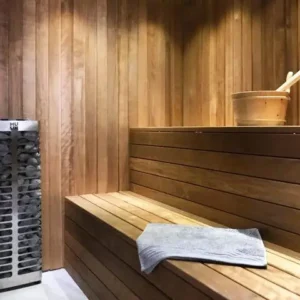
Your heater is another factor in the total cost. Most people choose an electric heater, which costs $200 to $2,000 depending on size and features. Wood-burning stoves run $800 to $4,000 and require a ventilation system, while energy-efficient infrared heaters cost $1,500 to $4,000. Whichever you pick, size the heater to the cubic footage of your sauna.
Extras
Custom touches like extra seating, lighting, and sound systems add to the total. It helps to set a realistic budget for extras and stick to it. Here are a few common features and their typical prices:
- Benches: $200–$1,000
- Lighting, $50–$150
- Audio systems, $200–$400
- Custom stonework $500–$2,000
As you can see, these features add up quickly. If a few of them are important to your ideal sauna, choosing more affordable options elsewhere can help make room in the budget.
Electrical and Plumbing
If you do not already have electrical or plumbing connections where the sauna will go, factor those in. Electrical work runs $300 to $800 and plumbing $350 to $1,750, depending on the complexity of the job. Before signing anything, ask whether the installation quote includes these services.
Labor
Finally, labor is part of the equation. Depending on the size and complexity of the build, professional installation costs $500 to $2,000. Handling the installation yourself can save money, but only take it on if you are confident in the work.
Running Costs
A home sauna is relaxing to use and runs on either electricity or wood. Depending on the heater size and temperature, a one-to-two-hour session costs about $1.40 to $2.60 in power, so day-to-day use is quite affordable. Newer sauna heaters are energy-efficient, and a few simple habits will keep your costs down. Avoid reheating the sauna repeatedly by not leaving the heater on when it is not in use, and try to have the whole family use it on the same evening. A wood-fired sauna costs roughly $150 to $250 per year, depending on how much fuel you burn. Enjoy your sauna, and keep an eye on running costs.
Warranties
A warranty is not the most exciting part of a sauna purchase, but it can save you money down the road. Coverage typically costs $300 to $1,200, and since many home sauna repairs run $170 to $600, it often pays for itself. A good warranty lets you relax and enjoy your sauna sessions with peace of mind.
Home Sauna Installation: DIY vs. Hiring a Professional
You may be weighing whether to build a home sauna yourself or hire a professional. A DIY installation can save money, but it is demanding work and easy to get wrong. A professional makes sure the structure is sound and that steam and heat stay where they belong. Installers also bring the right tools and experience, so you avoid buying specialized equipment you will likely use only once.
How to Save Money on Home Sauna Cost
A home sauna does not have to be expensive. Use these strategies to enjoy one on a budget:
- Know the sauna measurements to prevent overpaying.
- Use scrap wood, cheap materials, or a prefab infrared kit.
- Try a second-hand stove, forego the luxuries, or add a steam shower.
- Don’t forget to compare prices.
A little planning and smart spending up front can pay off with years of enjoyment from your sauna.
What is a home sauna?
A home sauna is a compact, dedicated space for unwinding, much like having a spa day without leaving the house. Infrared or electric heaters, combined with wood, stone, or tile finishes, create the classic sauna experience. It can be prefabricated or custom-built and installed either indoors or outdoors. People use home saunas for relaxation, weight management, and physical therapy.
Why Own a Home Sauna?
Here are three reasons why owning an at home sauna can be beneficial:
- Relaxation and Stress Reduction: Most individuals buy a home sauna for its relaxation and stress relief. After a hard day, a sauna may help relax muscles. Saunas may also alleviate tension and promote tranquility and well-being.
- Wellness: Regular sauna sessions may enhance cardiovascular health, weight reduction, and skin. Saunas enhance blood flow, stimulate the immune system, and relieve muscular and joint discomfort.
- Convenience and Flexibility: You can use a home sauna anytime you want. Unlike a gym or spa, you may use a sauna at home on your own time. Customize your sauna’s size, shape, and features.
Owning a home sauna is a great way to support your health and unwind at home.
In Home Sauna Types
There are several home sauna options, and each one has its own advantages and trade-offs, so it is worth choosing carefully. These are the most common types of traditional saunas.
Traditional Saunas
For most people, this is what comes to mind when they picture a sauna. Dry heat, along with water ladled over heated stones, creates bursts of steam. The heat comes from a wood-burning stove or an electric heater. Wood-fired saunas have a rustic, natural feel and are perfect for anyone who loves the aroma of wood smoke and a classic sauna experience.
Steam Showers
Steam showers soothe and rejuvenate using moist heat and steam. If you prefer a more humid experience, a steam shower is a great alternative to a dry sauna. They often include built-in lighting, sound, and seating made from tile or other waterproof materials.
Infrared Sauna
These newer saunas use infrared heaters to produce gentle, penetrating heat. Infrared saunas use less energy and take up less space than traditional models. They are a great option for anyone seeking the soothing, therapeutic warmth of infrared heat, and they come in portable, prefabricated, and wood-built versions.
Can You Install a Sauna in Your Home?
In most cases, yes. A living room, basement, or backyard can all host a sauna if you have the space and the budget for it. Proper ventilation and electrical wiring are essential, and the sauna must sit on a level surface so it stays stable and safe. If you are not comfortable with tools or unsure about the electrical requirements, it is best to hire a professional.
How Does A Home Sauna Work?
A home sauna warms a small, enclosed space with heat and steam. Water is ladled over rocks that have been heated by an electric or wood-burning heater, releasing steam and raising the temperature. As you warm up and sweat, your pores open and your skin is cleansed. The heat also relaxes muscles, easing aches and tension. In short, a home sauna brings the spa experience into your own house, on your own schedule and in your own private space.
Home Sauna Pros and Cons
Before you decide, consider these sauna pros and cons.
Simple Relaxation
Home saunas offer wonderful relaxation. Picture unwinding at home after a long day; an in-home sauna helps you reach that sense of calm and comfort whenever you need it.
Improved Health
There are real health benefits as well. Sauna use is both calming and good for you, and regular sessions may help lower blood pressure, improve circulation, and support cardiovascular health.
Increased Home Value
An in-home sauna can add to your property’s value. Homes equipped with a sauna often appeal to buyers and may sell for more.
Can be Expensive
There is no getting around the fact that a sauna is a significant purchase. Both the initial installation and the ongoing upkeep add up, so it is a real investment, even if a rewarding one.
Require Room
A sauna takes up dedicated floor space, often in or near a bathroom. In a smaller home, finding room for one can be a challenge, so a sauna may not be the right fit for every house.
Need Maintenance
A home sauna does require regular maintenance. Routine tasks include replacing lightbulbs, cleaning the interior, and servicing the heater. Some homeowners would rather not take on that extra responsibility.
Most Frequently Asked Questions
Are home saunas worth it?
This is a subjective question, as the value of a home sauna will vary depending on the individual’s preferences and needs. However, many people find that having a home sauna provides a luxurious and relaxing experience, as well as potential health benefits.
How expensive is a home sauna?
The cost of a home sauna can vary greatly depending on the size, type, and materials used. However, a typical home sauna can cost anywhere from a few thousand dollars to tens of thousands of dollars.
How big is a home sauna?
A home sauna starts at around 20 square feet for a small two-person model. This can be doubled or tripled for larger saunas that seat four or more people. Adding custom features, such as a foot massager, can increase the square footage.
Where to install a home sauna?
A home sauna can be installed in a variety of locations, such as a basement, garage, or even an outdoor space. However, it is important to consider the electrical and plumbing requirements, as well as ventilation and accessibility when choosing a location.
What are the benefits of a home sauna?
Some potential benefits of a home sauna include relaxation, stress relief, improved circulation, and even pain relief. Additionally, regular use of a home sauna may also aid in weight loss and detoxification.
What type of sauna is best for a home?
The best type of sauna for a home will depend on personal preferences and budget. Some popular options include traditional wood-burning saunas, electric saunas, and infrared saunas.
How much does it cost to install a home sauna?
The total price varies, but labor costs to install a home sauna range from $700 to $3,000 depending on the size, area, and complexities of the build.
Does a home sauna need ventilation?
Yes, a home sauna will need proper ventilation to ensure safe and healthy use. This can include an exhaust fan to remove hot and humid air, as well as an intake vent to bring in fresh air.
Are home saunas hard to maintain?
The level of maintenance required for a home sauna will depend on the type of sauna and the frequency of use. For example, a traditional wood-burning sauna will require more maintenance than an electric sauna.
How to buy a home sauna?
Buying a home sauna requires a few steps:
Are home saunas healthy?
Regular use of a home sauna may provide potential health benefits, such as improved circulation, stress relief, and pain relief. However, it’s always best to consult with a healthcare professional before starting to use a sauna.
Conclusion
Installing a home sauna can be an investment, but it doesn’t have to break the bank. If you’re looking for more information or help with installing a home sauna, look no further than Epic Hot Tubs, your local hot tub and sauna dealer in Raleigh, North Carolina. With their expertise and wide range of options, they will help you create the perfect home sauna experience that fits your budget and even provide local assembly. Not from NC? Epic Hot Tubs can ship DIY saunas nationally. Don’t let the cost of a home sauna discourage you. Contact Epic Hot Tubs today and let them show you how to make it happen!
Have questions, or want to see options in person? Stop by any of our five North Carolina showrooms and talk it through with our team: Raleigh, Durham, Sanford, Charlotte, or North Charlotte. We are open 7 days a week, no appointment needed.

Want specific pricing info?
Contact a Sauna expert today by calling us at 888-884-3742 or filling out this form. We can ship DIY saunas to anywhere in the United States and offer assembly in Raleigh & Durham, NC.

About The Author:
Richard Horvath
Hot Tub & Spa Expert
Richard has been in the hot tub & spa industry for years. As a long hot tub & swim spa owner himself, Richard has a passion for helping homeowners create their dream backyard, helping over one thousand North Carolina homeowners achieve that dream in the process.


