
Home saunas are an amazing addition to any home, but what does one cost? Learn…

Indoor vs Outdoor Saunas: Which Is Best for North Carolina Homes
Discover which sauna type works best for North Carolina’s humid climate. Compare costs, maintenance & regional considerations.
Sweltering North Carolina summer days might have you dreaming of unwinding in your own personal sanctuary. If the idea of installing a sauna has crossed your mind more than once, you first need to decide: should you go indoor or outdoor in North Carolina’s unique climate?
This decision isn’t as straightforward as you might think, especially when you’re dealing with our state’s notorious humidity levels that can make even seasoned sauna enthusiasts scratch their heads.
Here’s what we’ll cover to help you make the smartest decision for your home:
- How North Carolina’s climate creates unique challenges for both indoor and outdoor saunas
- The real costs and maintenance headaches you need to know about
- Which option actually makes sense for your specific region, whether you’re in the mountains, Piedmont, or coastal areas
Let’s get one thing straight right off the bat: there’s no universal “best” answer here, but there’s definitely a best answer for YOUR situation.
Table of Contents
Show
Quick Decision Guide
| Factor | Indoor Sauna | Outdoor Sauna |
| Best for NC Climate | Mountains & urban areas | All regions with proper prep |
| Monthly Operating Cost | $22-60 (including AC impact) | $16-37 |
| Weather Resistance | Excellent | Requires maintenance |
| Installation Complexity | Moderate (vapor barriers) | Higher (permits, foundation) |
| Property Value Impact | Minimal increase | $15,000-30,000 boost |
| Year-Round Use | Always accessible | Weather dependent |
| Maintenance Level | Low-moderate | Moderate-high |
North Carolina’s Climate: Why It Changes Everything
About North Carolina, our weather doesn’t play nice with saunas the way drier climates do. We’re talking about a state where morning humidity can hit 96% in some areas, and that’s before we even factor in our 3-4 inches of monthly rainfall.
Summer Heat and Humidity: The Double Whammy
During those sweltering summer months when temperatures climb to 87-90°F, you might think, “Who needs a sauna when it feels like I’m living in one?” But that ambient humidity creates problems you wouldn’t expect. Indoor saunas have to work overtime to maintain proper conditions when your house is already fighting moisture, while outdoor units face the challenge of trying to create that perfect dry heat environment when the air outside is practically dripping.
The humidity issue goes deeper than just comfort. Understanding the difference between dry vs wet sauna conditions becomes crucial here, traditional saunas work best with humidity levels between 10-20%, but North Carolina’s baseline humidity during summer mornings often sits at 85-96%. That’s like trying to start a fire underwater, technically possible, but you’re fighting physics.
Regional Variations That Actually Matter
Let me break this down by regions because where you live in North Carolina makes a huge difference:
Mountain Areas (Asheville region): You’ve got it easier with cooler, drier air (64-96% humidity range), but you’ll need better insulation for those chilly winters.
Piedmont (Charlotte, Raleigh): The middle ground with moderate humidity (55-89%), but you’re dealing with the most unpredictable weather patterns.
Coastal Areas: Buckle up, you’re facing extreme humidity up to 96% in the mornings plus storm exposure that’ll test any outdoor sauna’s limits.
Indoor Saunas: The Climate-Controlled Sanctuary
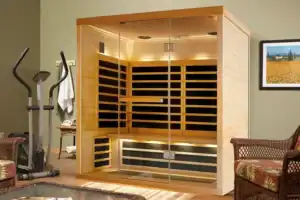
Indoor saunas feel like the obvious choice until you start digging into what it really means to install one in North Carolina. There’s a reason why some folks swear by them, while others have horror stories about moisture damage and sky-high electric bills.
The Sweet Spots of Going Indoor
Year-Round Relaxation
Year-round accessibility tops the list of pros for indoor saunas, no trudging through a summer thunderstorm or winter frost to reach your relaxation zone. When you’re dealing with North Carolina’s unpredictable weather patterns, having your sauna safely tucked inside your home eliminates about 90% of weather-related headaches.
Climate Control
The humidity control advantage is real, too. While you’ll need proper vapor barriers and ventilation (more on that nightmare in a minute), you’re not fighting Mother Nature’s humidity levels directly. Your HVAC system can help maintain baseline conditions, which means your sauna heater doesn’t have to work as hard.
Full Spa Experience
Integration with existing home systems creates convenience you can’t replicate outdoors. Imagine stepping from your sauna directly into your own shower, no bathrobes, no outdoor sprints, no wondering if the neighbors are watching.
The Hidden Challenges Nobody Talks About
Vapor Barriers
North Carolina’s building codes require vapor barriers for indoor saunas specifically because of our climate conditions. That’s not just a suggestion, it’s law in most counties. You’re looking at specialized moisture-resistant materials, foil-backed barriers, and potentially beefed-up ventilation systems.
Proper Clearances
The space limitations hit harder than you’d expect as well. A proper indoor sauna needs clearances, access panels, and ventilation routes that might eliminate your favorite bathroom corner or basement space. And let’s be honest, once it’s built, it’s built. No moving it if your family’s needs change.
Summer Costs
Summer operation creates an interesting paradox. Running a 180°F sauna when it’s already 90°F outside with high humidity means your home’s AC system works overtime. Some homeowners report their cooling costs spike during peak sauna usage months.
Outdoor Saunas: Embracing North Carolina’s Natural Beauty

There’s something magical about an outdoor sauna that indoor units just can’t replicate, the connection to nature, the contrast therapy of stepping from heat into cool evening air, and honestly, the “wow factor” for guests.
Why North Carolinians Fall in Love with Outdoor Saunas
Increased Value
Property value impact is substantial. A well-designed outdoor sauna can add $15,000-30,000 to your home’s value, especially in North Carolina’s competitive real estate market. It’s the kind of unique feature that makes listings stand out.
Ventilation Advantages
Natural ventilation is the biggest advantage of an outdoor sauna. Instead of fighting indoor air circulation challenges, you’re working with natural airflow patterns. This is particularly beneficial in our humid climate where proper ventilation makes or breaks the sauna experience.
Limitless Possibilities
Space flexibility means you can design the perfect size without compromising indoor living areas. Want a six-person unit for entertaining? No problem. Prefer an intimate two-person barrel design tucked near your pool? You’ve got options. For wellness enthusiasts, comparing sauna vs hot tub health benefits often leads them to appreciate how outdoor saunas complement existing backyard amenities. Many homeowners also appreciate the benefits of cold plunge and sauna contrast therapy, which works beautifully in outdoor settings.
Weather-Related Realities You Need to Face
Let’s not sugarcoat this, North Carolina weather will test your outdoor sauna’s limits. We’re talking about potential exposure to hurricanes, ice storms, and humidity levels that would make Finnish sauna designers weep.
Rain
Rain exposure becomes your biggest nemesis. While quality outdoor saunas are built to handle moisture, North Carolina’s 40+ inches of annual rainfall means you’re constantly battling water intrusion. Post-storm maintenance routines become part of your life, not just an occasional chore.
Sun Damage
UV damage accelerates in our intense southern sun. That beautiful cedar exterior will fade to silver-gray faster than you’d like, and without proper treatment, you’re looking at wood degradation that affects both appearance and structural integrity.
Hurricane Season
Storm preparation isn’t optional, it’s survival. Hurricane season means securing your sauna like you would any other outdoor structure, and ice storms can create weight loads that challenge even well-built units.
Material Selection: What Works in North Carolina’s Climate
The material choices that work in Minnesota might fail miserably in North Carolina. Our climate demands specific considerations that go beyond just “looking nice.”
Wood Species That Actually Survive Here
Cedar remains the gold standard for good reason, its natural oils resist rot and moisture damage better than most alternatives. Not all cedar is created equal. Western Red Cedar outperforms Eastern Red Cedar in our humidity, while Canadian Hemlock offers a budget-friendly alternative with proper treatment.
Thermally-treated wood options are also gaining popularity because they’re literally baked to resist moisture and insects. The process creates cellular changes that make wood less appetizing to North Carolina’s abundant termite population.
Nordic White Spruce is another option that works beautifully for interiors but requires careful sealing if used on exteriors exposed to our climate conditions.
Foundation and Weatherproofing Systems
The foundation decision impacts everything else. Concrete slabs work well but require proper drainage slopes to handle our rainfall. Raised platforms using treated lumber or composite materials offer better ventilation and water management.
Roofing becomes critical for weatherproofing too, we’re talking about keeping rain out and handling everything from hail to falling branches during storms. Architectural shingles, metal roofing, or cedar shakes each have pros and cons in our climate.
Weatherproofing compounds need reapplication annually in North Carolina. What lasts three years in Colorado might need attention every 12-18 months here.
| Climate Factor | Indoor Impact | Outdoor Impact | Mitigation Strategy |
| High Humidity (85-96%) | Vapor barrier required, ventilation challenges | Longer drying times, mold risk | Enhanced ventilation, moisture monitoring |
| Heavy Rainfall (40+ inches/year) | Minimal direct impact | Water intrusion, foundation issues | Proper roofing, elevated platforms |
| Storm Exposure | Protected environment | Structural stress, damage risk | Reinforcement, storm preparation |
| UV Intensity | No direct exposure | Rapid wood degradation | UV-resistant treatments, strategic placement |
Installation Requirements and North Carolina Building Codes
Different counties across North Carolina have varying interpretations of sauna installations, and getting it wrong can be expensive.
Permits and Local Regulations
Here’s where it gets tricky, permit requirements vary significantly across North Carolina counties. Wake County has different rules than Mecklenburg County, which differs from coastal counties like New Hanover.
Generally speaking:
- Indoor saunas typically require electrical permits but not building permits if no structural changes occur
- Outdoor saunas often need building permits, especially if they’re permanent structures over 100 square feet
- Setback requirements from property lines vary by municipality
- HOA approval adds another layer of complexity in many North Carolina neighborhoods
The permit process typically takes 2-4 weeks and costs $150-500 depending on your location and sauna complexity.
Electrical and Safety Tips in Humid Environments
- GFCI protection isn’t just recommended, it’s mandatory for sauna installations in North Carolina due to our humid conditions. The electrical code specifically addresses high-moisture environments, which includes both indoor and outdoor saunas.
- Professional installation becomes more critical in our climate. The combination of electrical systems and high humidity creates safety concerns that DIY approaches often miss. Licensed electricians understand local codes and humidity-related risks that weekend warriors typically overlook.
- The 220V requirements for most sauna heaters mean dedicated circuits and potentially service panel upgrades. In older North Carolina homes, this can add $2,000-4,000 to your installation costs. If you’re planning ahead, understanding home sauna installation requirements early in your planning process can save significant headaches.
Maintenance: The Real Cost of Ownership
Let me be brutally honest about maintenance in North Carolina, it’s more demanding than what you’ll read in most sauna guides written for drier climates.
Indoor Sauna Maintenance in High Humidity
For indoor saunas, moisture management is key. Plan on running exhaust fans a little longer after each session, keeping an eye out for condensation in nearby rooms, and even bringing in a dehumidifier during the stickiest months of the year.
Deep cleaning isn’t just a good idea, it’s a must. In North Carolina’s humidity, mold can pop up in places you’d never expect, so staying on top of cleaning every few months really pays off.
One thing many people don’t think about is the strain on your HVAC system. Regularly heating a room to over 180°F means your AC has to work harder, and your ductwork may need maintenance sooner than you’d planned.
Outdoor Sauna Care Through NC Seasons
Seasonal maintenance routines become part of your life:
- Spring: Post-winter inspection for damage, resealing wood surfaces, checking electrical connections.
- Summer: Monthly cleaning, monitoring for insect activity, ensuring proper drainage.
- Fall: Pre-winter weatherproofing, roof inspection, heating system check.
- Winter: Post-storm inspections, ice damage assessment, foundation monitoring
The annual wood treatment isn’t negotiable in North Carolina. Budget $200-400 yearly for quality wood preservatives and sealers.
Energy Efficiency and Operating Costs
North Carolina’s electricity rates average around 14¢ per kWh (as of 2026), which puts us slightly below the national average. But our climate creates unique energy challenges for sauna operation.
Understanding how much does a sauna cost to run becomes especially important when factoring in our humid conditions and potential cooling cost impacts.
Heating Costs in Different NC Regions
Mountain areas benefit from cooler ambient temperatures, meaning your sauna heater works less hard to reach target temperatures. A 6kW sauna might cost $21-27 monthly with regular use.
Piedmont and coastal regions face higher cooling costs when operating saunas during summer months. While the sauna itself might cost $25-35 monthly to operate, your home’s AC system works harder, potentially adding $40-60 to cooling bills during peak usage months. This is where understanding how much electricity does a sauna use helps you budget accurately for total operating costs.
Energy-Efficient Options for Humid Climates
Infrared saunas shine in North Carolina’s climate. Operating at lower temperatures (120-140°F vs 180-200°F), they use about 60% less electricity while still providing effective heat therapy. Monthly operating costs typically run $14-18 for regular use. The choice between infrared vs traditional sauna becomes particularly relevant in our humid environment.
Traditional saunas with larger stone mass actually work better in humid climates because they maintain temperature stability despite our challenging conditions. However, they consume more energy, expect $30-45 monthly for regular use.
For those considering infrared options, understanding full spectrum vs far infrared sauna differences can help you choose the most efficient model for North Carolina’s climate challenges.
Timer controls and smart thermostats help manage energy costs by preventing accidental extended heating cycles, something that’s more common when dealing with our unpredictable weather patterns.
| Sauna Type | Monthly Energy Cost (NC rates) | Summer AC Impact | Total Monthly Cost |
| Indoor Traditional (6kW) | $25-35 | $15-25 | $40-60 |
| Indoor Infrared (2kW) | $14-18 | $8-12 | $22-30 |
| Outdoor Traditional (6kW) | $27-37 | $0 | $27-37 |
| Outdoor Infrared (2kW) | $16-20 | $0 | $16-20 |
Costs based on 4-5 sessions per week, 14¢/kWh electricity rate
Making the Right Choice for Your NC Home
After working with hundreds of North Carolina homeowners on sauna installations, certain patterns emerge about who should choose what.
Decision Framework Based on Your Situation
Choose Indoor If:
- You live in a high-wind area (coastal regions, tornado-prone areas)
- Year-round use is a priority regardless of weather
- Your property has limited outdoor space or strict HOA rules
- You prefer the convenience of adjacent shower access
- You’re willing to invest in proper vapor barriers and ventilation
Choose Outdoor If:
- You have adequate yard space and good drainage
- The “retreat” experience appeals to you
- Property value enhancement is a priority
- You enjoy seasonal maintenance tasks
- Storm preparation doesn’t intimidate you
Regional Recommendations
Mountain Region: Outdoor saunas work beautifully if you invest in proper insulation and wind protection. The lower humidity and scenic views create an ideal combination.
Piedmont Region: Either option works well, but consider your specific microclimate. Homes in wooded areas might favor outdoor installations, while urban properties often benefit from indoor units.
Coastal Region: Indoor saunas typically make more sense due to storm exposure and extreme humidity. If you choose outdoor, invest heavily in weatherproofing and have a solid storm preparation plan.
Working with North Carolina Sauna Professionals
Local expertise becomes invaluable when navigating county permit requirements, understanding regional climate challenges, and sourcing materials that actually perform in our conditions. Companies like Epic Hot Tubs, with our North Carolina focus and Finnleo partnership, understand these regional nuances that national retailers might miss. You can explore their selection of quality saunas designed to handle North Carolina’s unique climate demands.
Ready to explore your options with experts who understand North Carolina’s unique climate challenges? The team at Epic Hot Tubs brings decades of regional experience and can help you navigate everything from permit requirements to the best equipment for your specific location.
Frequently Asked Questions
Do I need a permit for a sauna in North Carolina?
It depends on your location and installation type. Indoor saunas typically require electrical permits, while outdoor saunas may need building permits. Check with your specific county building department, as requirements vary significantly across North Carolina.
How does North Carolina humidity affect sauna performance?
High humidity (85-96% in summer) makes it harder for saunas to maintain proper dry heat conditions. Indoor saunas need enhanced ventilation and vapor barriers, while outdoor saunas require longer drying times and more frequent maintenance to prevent mold issues.
What’s the best wood for outdoor saunas in North Carolina’s climate?
Western Red Cedar performs best due to its natural rot and insect resistance. Thermally-treated woods are also excellent choices, offering enhanced moisture resistance that’s crucial for our humid climate and heavy rainfall.
How much does it cost to operate a sauna monthly in North Carolina?
With North Carolina’s 14¢/kWh electricity rates, expect $16-20 monthly for infrared saunas and $25-37 for traditional saunas with regular use. Indoor installations may increase cooling costs during summer months.
Can outdoor saunas handle North Carolina storms?
Quality outdoor saunas can withstand normal storms with proper installation and maintenance. However, hurricane preparation is essential, including securing loose components and potentially powering down electrical systems during severe weather events.
Have questions, or want to see options in person? Stop by any of our five North Carolina showrooms and talk it through with our team: Raleigh, Durham, Sanford, Charlotte, or North Charlotte. We are open 7 days a week, no appointment needed.

About The Author:
Richard Horvath
Hot Tub & Spa Expert
Richard has been in the hot tub & spa industry for years. As a long hot tub & swim spa owner himself, Richard has a passion for helping homeowners create their dream backyard.


