
Dimension One vs Hot Spring at a glance7yearsshell warranty on both brands5yearscomponent warranty on both…

Is Hot Tub Foam Dangerous? The Real Problem with Full Foam Insulation
Is hot tub foam dangerous? Not to your health, but to your wallet. See what really happens inside a full foam tub over 15 years.
TL;DR: Full foam insulation is marketed as the premium standard in hot tubs, but it comes with a long-term problem most buyers never hear about at the showroom. Once water works its way into the foam (and it will, eventually), repairs get significantly harder and more expensive. Leaks cost two to three times more to fix. LED replacements that should take 30 minutes can turn into 3-hour service calls. This post covers what actually happens inside a full foam tub over 15 years, and what smarter alternatives look like.

Let’s get this part out of the way: Is hot tub foam dangerous? Not to your health in normal use. But to your repair budget over the years? That is a completely different story. While a full foam hot tub holds heat well, at a certain point that insulation stops being a feature and starts being the reason your service bill is three times what you expected. This comes up often with customers who visit us after a frustrating experience with a previous tub. The tub ran fine for a few years, then one repair changed the math entirely. Nobody explained the insulation tradeoffs at purchase. This guide does. For the broader checklist of what to evaluate before buying, our hot tub buying guide covers every decision point in detail.
Table of Contents
Show
Full foam repair math at a glance
7–10years
typical full foam lifespan
$400–$800or more
to fix a full foam leak
2–3×vs perimeter
repair cost on a full foam tub
What Is Full Foam Insulation in a Hot Tub?
Full foam insulation fills the entire interior cabinet of a hot tub with polyurethane foam, surrounding the shell, all plumbing, and the equipment bay. It creates a dense, continuous insulation layer with no air gaps.
While the alternative approaches, perimeter foam (applied around the shell only) and hybrid systems (foam combined with reflective barriers and engineered air cavities) leave air gaps, they also leave the interior at least partially accessible to a technician.
The real difference between these systems is not just how well they insulate on day one. It is what happens when moisture enters the cabinet, and how practical it is to fix things when something goes wrong.
| Full Foam | Perimeter Foam | Hybrid System | |
| Energy efficiency at purchase | High | Moderate | High |
| Energy efficiency over time | Degrades with moisture | Stable | Stable |
| Plumbing access for repairs | Very difficult | Easy | Easy to moderate |
| Water damage risk over time | High | Low | Low |
| Typical useful lifespan | 7 to 10 years | 15 to 20 years | 15+ years |
| Repair cost compared to perimeter | 2 to 3x more | Baseline | 1 to 1.5x more |
The lifespan gap between insulation types is significant. Research on hot tub longevity consistently points to insulation design and component accessibility as two of the biggest factors in how long a tub performs before repairs become uneconomical.
Is Full Foam Hot Tub Insulation Actually Dangerous?
In normal use, full foam insulation poses no health risk. The polyurethane foam sits fully enclosed inside the cabinet and you never come into contact with it during use. If that was your concern, you can set it aside.
The real danger is financial. Over time, full foam also creates the conditions for mold and mildew to develop inside the cabinet. This becomes a genuine concern if moisture saturation goes unaddressed for years. A persistent musty smell from your hot tub is often the first sign the foam has absorbed water and the insulation is working against you.
Our hot tub myths guide covers several features like this.
What Really Happens Inside a Full Foam Hot Tub Over Time
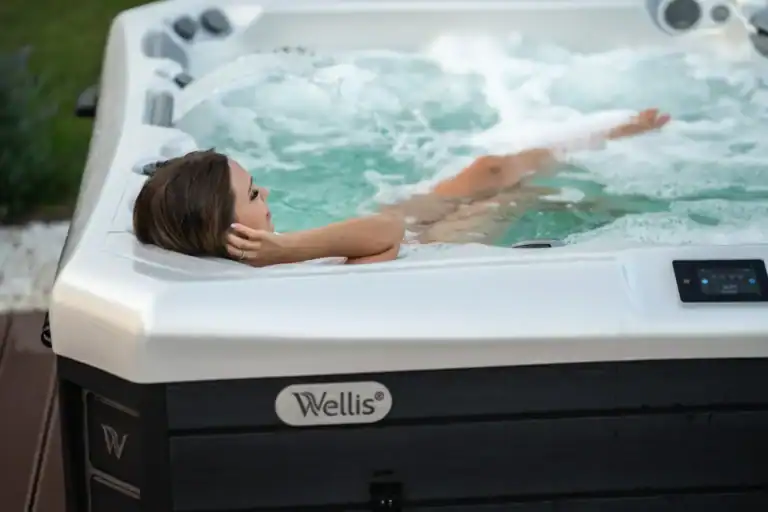
Most buyers think about year one. Salespeople think about year one. Very few showroom conversations cover what happens at year eight or twelve. Here is what the timeline actually looks like inside a full foam tub.
Years 1 to 3
The foam insulates well and the tub holds heat efficiently. Microscopic entry points may already exist in the plumbing, but moisture accumulation is too small to detect. This is the window where full foam genuinely delivers what it promises.
Years 3 to 6
This is where things start getting messy. The average hot tub cover lasts four to five years before the internal foam starts holding water instead of blocking it. Inside the cabinet, the same process is beginning on a slower timeline. Repairs during this period are still possible but noticeably more involved than they would be in an accessible system.
Years 6 to 9
Energy bills often start climbing in this time as the foam loses thermal efficiency from moisture absorption. Odors can appear from trapped water inside the cabinet. Any plumbing work now requires cutting through foam, locating the problem, fixing it, then refilling the cavity. According to home improvement repair cost data, foam tub repairs in this range run $400 to $800 or more, with technicians billing around $80 per hour and most jobs requiring a three-hour minimum.
Years 9 to 12
Mold growth becomes likely in tubs that have not been kept in perfect condition. Moisture is now trapped throughout the foam and will not dry out on its own. Repair quotes start approaching the cost of full replacement. A growing number of owners in this window choose to give the tub away or scrap it rather than pay for a major fix.
Years 12 to 15
Significantly saturated foam no longer provides meaningful insulation. The tub uses more energy to heat water while the wet foam draws heat away. For anyone buying a used hot tub, checking the insulation type and the age of the tub is one of the most important steps before committing to a purchase.
Pro Insight • Epic Hot Tubs Service Team
“At Epic Hot Tubs, our service technicians open aging hot tubs for repairs on a regular basis. What we find inside full foam models after year seven or eight is usually very different from what the owner expects. The foam looks solid from outside the cabinet but is often saturated and discolored inside, sometimes with visible mold at points where water has pooled over the years. If you own an older full foam tub and are not sure what condition the insulation is in, a service inspection gives you the real answer before a repair bill does.”
Why Full Foam Makes Hot Tub Leaks So Expensive to Fix
Repairing a leak in a perimeter-insulated hot tub is a straightforward job. A technician opens the cabinet, finds the problem fitting or pipe, fixes it, and closes back up. In a full foam tub, the same repair works completely differently.
First, the foam has to be cut away to expose the plumbing, and finding a slow leak often means working through multiple sections of foam before the source is identified. After the repair, the cavity needs to be refilled with a two-part polyurethane foam mix applied correctly. All of that adds hours to a job that would otherwise take under an hour.
| Full Foam Tub | Perimeter System | |
| Time to locate a leak | 2 to 4 hours | 30 to 60 minutes |
| Foam material needed | $50 to $150 | None |
| Typical total repair range | $400 to $800+ | $150 to $300 |
| DIY realistic? | Rarely | Sometimes |
If you have two or three leak events across the life of a tub, the cumulative difference in repair spending between a full foam model and a well-designed alternative can run into several thousand dollars. For a full breakdown of what drives hot tub service costs up, our guide on how much it costs to fix a hot tub covers the most common scenarios.
Pro Insight • Epic Hot Tubs Service Team
“The Epic Hot Tubs service team regularly gets calls from owners who are more surprised by the diagnosis cost than by the repair itself. In a full foam tub, locating the leak is sometimes billed as a separate charge because it genuinely takes that long. That is not a contractor padding a bill. That is what full foam does to access time, and it is worth knowing before you buy.”
The Part No One Mentions: LED Replacement in a Full Foam Tub
LED light failure is one of the most common hot tub service requests we see. In a well-designed tub, it is typically a quick fix. In a full foam model, it can turn into a significant service call.
In many full foam designs, the LED housings are surrounded by foam. Replacing a burned-out light means locating the housing, cutting foam away to reach the wiring and connection point, replacing the unit, then re-foaming the cavity. A task that takes 30 minutes in an accessible tub becomes a two to three-hour job. Consumer research on foam insulation repair costs confirms that routine component replacements carry substantially higher labor costs whenever foam access is required.
Pro Insight • Epic Hot Tubs Service Team
“When customers stop by any of our Epic Hot Tubs North Carolina locations and ask about long-term maintenance costs, we always walk through both sides of the picture. The routine upkeep is comparable across brands. The service call costs are not, and the insulation design is the single biggest driver of that difference. It is one of the most important questions to ask any dealer before you sign anything.”
What to Look for Instead
If full foam creates these problems, what should you be shopping for?
The best alternatives keep heat in without turning the cabinet into a sealed block.
Perimeter Foam and Hybrid Systems
Perimeter foam systems apply insulation around the shell itself and leave the plumbing and equipment bay fully accessible. Hybrid systems go further, combining foam layers with reflective thermal barriers and engineered air cavities that allow heat generated by the pump to circulate back into the water.
These approaches can match or beat full foam efficiency on day one, and they hold that performance far more consistently over the years because moisture cannot saturate them the same way.
What to Ask
When you are in a showroom, these three questions cut through any insulation sales pitch quickly:
- Can a technician access the plumbing without cutting through foam?
- What happens to the insulation if water gets into the cabinet?
- How does this system perform at year ten compared to year one?
If the salesperson cannot answer those clearly, that tells you something too.
The most energy-efficient hot tubs available today are not all full foam models. Several of the best performers use hybrid and multi-layer approaches that maintain efficiency without the serviceability problems. And how long a hot tub actually lasts connects directly to whether repairs stay practical and affordable over time.
Conclusion
Full foam insulation is not a scam, the problem is what comes after the first few years: water works its way in, the foam holds it, efficiency drops, and repairs become expensive in ways that are hard to predict standing on a showroom floor. Leaks cost two to three times more to fix. LED replacements that take 30 minutes in another tub can take three hours. Nobody covers that during the sales pitch.
If you are shopping now and want a straight look at what is actually inside any model you are considering, come into one of our North Carolina showrooms or give us a call. We’ll open the cabinet, walk you through the insulation, and answer every question honestly. No pressure, no glossing over the parts that matter. That’s how we think buying a hot tub should work.
Frequently Asked Questions
Is full foam insulation in a hot tub safe to breathe?
Yes, in normal use. The foam is fully enclosed inside the cabinet and sealed away from the water and air you come into contact with. You never interact with it directly during a soak. The concern with full foam is not a health risk from the material itself, it’s what happens over years of moisture exposure, which can eventually create mold conditions inside the cabinet if water saturation goes untreated.
Can you repair a leak in a full foam hot tub yourself?
In most cases, no. Finding the leak requires cutting through foam to reach the plumbing, which is difficult without professional tools and experience. Refilling the cavity correctly after the repair also requires a two-part polyurethane foam kit. An incomplete DIY attempt typically makes the next service visit harder and more expensive. Most owners are better off calling a qualified technician from the start.
How long does full foam insulation last in a hot tub?
Full foam starts degrading as soon as moisture enters the cabinet, which usually begins within the first few years through microscopic imperfections in the plumbing. Visible effects such as reduced heat efficiency, higher energy bills, and musty odors typically show up between years six and nine. A well-maintained full foam tub might perform adequately for ten years, but perimeter and hybrid insulation systems generally maintain consistent performance for fifteen to twenty years with proper care.
Does full foam make a hot tub more energy efficient?
On day one, yes. Full foam provides strong thermal retention when the insulation is dry and intact. The problem is that this advantage erodes as moisture enters and saturates the foam over time, as wet foam is a poor insulator. Hybrid and reflective insulation systems tend to hold their efficiency far more consistently over the years because they are not vulnerable to water saturation the same way. When comparing tubs on energy costs, it is worth asking how each system performs at year five or ten, not just at installation.
How can I tell if my hot tub’s foam insulation has absorbed water?
The most common signs are rising energy bills without another clear cause, a musty or mildew smell from inside the cabinet, and a tub that takes noticeably longer to reach temperature than it used to. In more advanced cases you may notice soft spots or discoloration on the cabinet panels. If you suspect water damage to the foam, a professional service inspection is the only reliable way to assess the extent before deciding whether repair or replacement makes more financial sense.
Have questions, or want to see options in person? Stop by any of our five North Carolina showrooms and talk it through with our team: Raleigh, Durham, Sanford, Charlotte, or North Charlotte. We are open 7 days a week, no appointment needed.

About The Author:
Richard Horvath
Hot Tub & Spa Expert
Richard has been in the hot tub & spa industry for years. As a long hot tub & swim spa owner himself, Richard has a passion for helping homeowners create their dream backyard.