
We are excited to announce our new Raleigh hot tub and swim spa store!

Top 7 Hot Tub Buyer Mistakes and How To Avoid Them in 2026
Avoid costly hot tub mistakes in 2026, learn the 7 pitfalls and choose smarter today. Read before you buy!
You’re standing in a showroom, staring at a gorgeous hot tub with LED lights dancing across the water. The salesperson is talking about jets and loungers, and you’re already picturing yourself sinking into those bubbles after a long day. Fast forward six months, and the picture looks different: you’re staring at a $400 electricity bill, dealing with cloudy water you can’t seem to fix, and wondering if this thing was worth the hassle.

Here’s something that should make you pause. Nearly 40% of newly purchased hot tubs end up being sold secondhand or given away, and the average ownership duration is just 7.5 years. That’s not a great track record for something that costs as much as a decent used car. The hot tub market is booming (valued at $5.97 billion in 2024 and projected to hit $9.11 billion by 2033), but all that growth masks a fundamental problem: tons of buyers are making the same mistakes, getting frustrated, and giving up.
This article breaks down the seven most common hot tub buyer mistakes that lead to regret, backed by real data and industry research. You’ll learn:
• Why focusing only on purchase price can cost you thousands more in the long run
• The hidden complexities of water chemistry that catch first-time owners off guard
• How to avoid electrical installation nightmares and space planning disasters
By the end, you’ll have a clear roadmap to make a smart purchase that brings you years of relaxation instead of buyer’s remorse.
Quick Takeaways
| Key Insight | Critical Details |
| Total Cost Reality | A $2,000 cheaper hot tub with poor insulation costs $1,350+ extra in electricity over 10 years. Average annual operating costs: $388 (electricity) + $570 (maintenance) = $958/year. |
| Water Chemistry Is Complex | Test before each use plus twice weekly.Chemical reactions double for every 18°F temperature increase. Bacteria can return to dangerous levels within 24-48 hours. |
| Electrical Installation | Most hot tubs need 50-60 amps and 220-240 volts. Average electrical installation: $2,300 (range $1,900-$4,200). Never DIY electrical work. |
| Space Planning Critical | 6-person hot tub = 5,000+ pounds filled. Needs 2 feet clearance (4 feet for access panels). Measure gates, doorways, and corners before delivery. |
| Dealer Selection Matters | Avoid traveling expos. Local dealers provide ongoing service, warranty support, and accountability. Verify they service what they sell. |
| Wet Test Required | Cannot assess comfort, jet placement, or water flow without testing filled tub. Bring family members who will be primary users. |
| Market Context | August 2025 permits down 21.7% from 2024, showing buyers are more discerning. 4-7 person tubs = 43.56% of market demand. |
The numbers tell a story most salespeople won’t. Industry studies show first-time buyers obsess over purchase price, while people who’ve owned spas before focus on quality, jet performance, and ease of maintenance. That shift in priorities? It comes from experience, and usually some frustration.
Each mistake we’re covering doesn’t exist in isolation. They compound. Buying a cheap hot tub with poor insulation means you’ll struggle with higher electricity costs AND more complex water chemistry issues because the water temperature fluctuates more. Installing it in the wrong spot makes maintenance harder, which leads to neglected water care. You see where this goes.
Table of Contents
Show
Mistake #1: Focusing Only on Purchase Price Instead of Total Cost of Ownership
The 10-Year Math That Changes Everything
Upfront Costs
Base purchase prices for hot tubs range from just $330 to over $25,000, but that’s just the beginning. Electrical installation averages $2,300, with a range of $1,900 to $4,200, depending on how far you are from existing outlets and whether your home needs a subpanel upgrade. Labor represents 75% of that electrical installation cost, which is why DIY attempts often backfire.
Energy Costs
Plus, the average hot tub consumes 2,514 kilowatt-hours annually, translating to approximately $388 in electricity costs each year. Understanding how much electricity a hot tub uses helps you budget accurately. Energy-efficient hot tubs can reduce annual electricity costs to around $253 annually (a 34% savings), but that premium insulation adds to your upfront investment.
Maintenance Costs
Understanding the cost of hot tub maintenance is also important. Maintenance runs annual costs averaging $570 to $600, with monthly tasks costing $20 to $75. This doesn’t include major repairs: heater replacement costs $300-$700, pump repair runs $200-$500, and leak repairs average $100-$300.
That $2,000 cheaper hot tub with poor insulation? It costs you an additional $135 annually in excess electricity. Over 10 years, that’s $1,350 eating away at your “savings.” Add inadequate filtration requiring more frequent replacements and increased maintenance calls, and that bargain doesn’t look so bargain-y.
How to avoid this: Calculate true cost of ownership over 7-10 years. Look for quality insulation (multiple layers, not just perimeter foam). Ask dealers about monthly operating costs for every model. Finding the best hot tub for the money means balancing upfront cost with long-term value. A well-insulated hot tub costs less than $1 per day to operate.
Mistake #2: Underestimating Water Chemistry Complexity
Hot tubs may look like small pools, but the water inside them acts very differently.
One of the biggest reasons is temperature. As water gets hotter, chemical reactions happen much faster. In fact, water care experts at Taylor Technologies note that for every 18°F increase in temperature, chemical reactions can happen twice as fast. That means the sanitizer you add like chlorine or bromine gets used up much more quickly in a hot tub than it would in a swimming pool.
At the same time, hot tubs hold a much smaller volume of water. Because there’s less water to “dilute” anything added to it, the water becomes extremely sensitive to chemical amounts. A dose that might be perfectly safe for a pool can be far too strong for a hot tub, potentially damaging equipment, irritating skin, and throwing water chemistry completely out of balance.
There’s also an important health factor to consider. Warm water is an ideal environment for certain types of bacteria to grow, especially if sanitizer levels drop too low. Research published in the Journal of Hospital Infection found that many samples of Pseudomonas aeruginosa—a bacteria commonly associated with poorly maintained hot tubs—were resistant to multiple types of antibiotics. Even more concerning, studies show that this bacteria can return to high levels within 24 to 48 hours after draining and refilling a hot tub if proper sanitizer levels aren’t consistently maintained.
In simple terms, hot tub water requires more careful attention, more precise chemical dosing, and more frequent monitoring than pool water. The heat, small water volume, and rapid bacterial growth make proper maintenance essential for both safety and comfort.
The Real Testing Schedule
Hot tub water testing is non-negotiable for safe water. Proper maintenance requires testing before each use, plus twice-weekly comprehensive testing for pH, alkalinity, and sanitizer levels. Monthly testing for calcium hardness and total dissolved solids adds more complexity. pH should remain between 7.2-7.8, alkalinity between 80-120 ppm, and high pH levels make chlorine and bromine significantly less effective.
Filters require rinsing every two weeks and deep cleaning monthly. Learning how to clean a hot tub filter properly extends its lifespan. Most manufacturers recommend complete filter replacement every 12-18 months. Overlooking filter maintenance leads to clogged filters that strain pumps and heating systems, potentially causing $200-$500 in repairs.
How to avoid this: Be honest before buying: are you willing to commit to this testing schedule? Budget for quality test strips and chemicals. Ask your dealer about water care training. Consider automated water care systems if weekly testing sounds like too much work. Starting with a simple chlorine system works best for beginners.
Mistake #3: Poor Space Planning and Installation Site Selection
Space Requirements People Forget
Hot tub professionals emphasize that “a hot tub may not look too large in a showroom, but once you bring it home, the size can feel overwhelming.” Space is needed for access, steps, maintenance reach, air circulation, electrical connections, and cover lifters. A minimum of 2 feet clearance on all sides is recommended, with 4 feet for access panels.
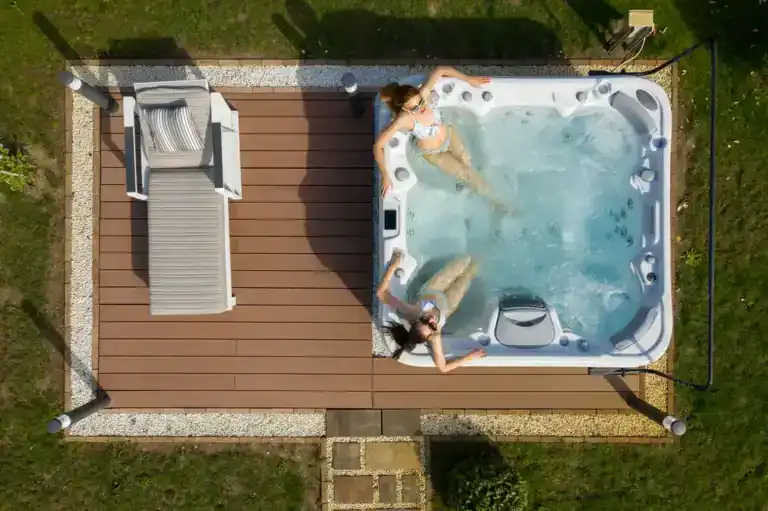
And here’s something people forget: measure your entrance gates, doorways, and sidewalks. Understanding how hot tubs are delivered helps you prepare properly. You might have space for an 8-person tub, but if you can’t fit it through your gates, it’s useless. Check width AND angles because many buyers measure width but forget about turns and tight corners.
Foundation and Drainage Planning
Installing a hot tub isn’t just about finding a “nice spot” in your yard, the foundation and drainage are critical to keeping it safe, functional, and long-lasting.
A typical 6-person hot tub, when filled with water and people, can easily weigh over 5,000 pounds. Placing it on a cracked patio, an unsupported wooden deck, or even just on grass can lead to serious problems like sinking, cracking, or other structural damage. For most yards, a concrete pad is the most reliable and durable option. If you’re planning a deck installation, it’s essential to consult a structural engineer to ensure the deck can safely support the weight. Proper planning at this stage prevents expensive repairs later.
Drainage is just as important as a solid foundation. Hot tubs need to be drained and refilled every 3–4 months, and water spills are inevitable during regular use. Installing a hot tub on flat ground without a drainage plan can lead to puddling, flooding, and dangerously slippery conditions around the tub. It’s also important to consider winter use. Placing your hot tub too close to the house, for instance, or too far away, can affect how often you actually use it: Tubs placed 50 feet from the house may be skipped during freezing temperatures simply because they feel inconvenient to reach.
In short, the right foundation and thoughtful drainage planning not only protect your yard and structure but also ensure your hot tub remains safe, accessible, and enjoyable year-round.
How to avoid this: Measure space AND delivery pathways. Verify foundation can support full weight, and plan drainage route before installation. Think about accessibility in winter, the tub must be 5 feet from house, and 16 feet from power lines.
Mistake #4: Ignoring Electrical Requirements and Installation Complexity
The electrical setup is often the most expensive and complex part of the hot tub installation project. Most hot tubs require a dedicated circuit capable of handling 50–60 amps at 220–240 volts. A basic 220V outlet installation might cost around $220, but if your home’s electrical panel isn’t sufficient, upgrading it can add $400–$1,800 to the bill. Some installations even require a subpanel, which can run $1,000–$3,000 or more, depending on the complexity of the setup.
Labor is another consideration. Electricians typically charge $50–$100 per hour, and a complete hot tub installation often takes 4–8 hours. Many municipalities also require permits and inspections, which add both time and cost but are essential for legal and safe operation.
Why DIY Electrical Work Is Dangerous
Attempting to wire a hot tub yourself is highly risky. Faulty electrical work can create serious hazards, including electrocution, code violations, and damage that can void your tub’s warranty. One simple wiring mistake could ruin the hot tub or even cause severe injury.
Licensed electricians know the local codes and requirements, ensuring your installation is safe and compliant. Key requirements include:
- A GFCI breaker placed at least 5 feet from the water
- A dedicated circuit for the hot tub
- Weatherproof connections to protect against moisture
- Proper grounding to prevent electrical faults
- Never using extension cords, which are unsafe for high-power appliances
By hiring a professional, you’re not just paying for convenience — you’re protecting your home, your tub, and your safety.
How to avoid this: Consult a licensed electrician BEFORE purchasing. Know the right questions to ask your electrician about hot tub installation. Get written estimates including all costs. Verify your electrical panel can handle the load. Schedule electrician early to avoid delivery delays. Ensure all work is permitted and inspected.
Mistake #5: Buying From Traveling Expos Instead of Local Dealers
The Traveling Expo Trap
High-pressure sales tactics push buyers into impulsive decisions. Expo pricing often involves inflated base prices with deceptive “discounts” that resemble regular retail pricing. Once the expo leaves town, buyers lose local customer service, accessible technicians, and reliable warranty support.
Many expo buyers report denied warranty claims or expensive shipping costs for warranty service; after all, if the selling company ceases operations in your region, your warranty becomes worthless. Some expos feature lesser-known or private-label brands that don’t meet quality standards of established manufacturers, resulting in higher energy costs and more frequent repairs.
What Local Dealers Provide
Reputable dealerships provide ongoing service support, accessible technicians, honored warranty coverage, and first-water setup assistance. They have service teams you can actually reach. They build relationships because they want repeat business and referrals. That accountability matters.
How to avoid this: Research dealer reputation online. Ask how long they’ve been in business, verify they service what they sell, check for physical showroom locations, read reviews about after-sales service, and compare pricing across multiple established dealers. Never feel pressured to buy same-day.
At Epic Hot Tubs, we’ve been serving North Carolina buyers with showrooms in Raleigh, Durham, Pineville, and Cornelius. We specialize in Wellis hot tubs and Dynasty Spas, offering quality brands with proven track records. We’re not going anywhere, and our service teams are here when you need them.
Mistake #6: Choosing the Wrong Size and Seating Configuration
Realistic Usage Assessment
The first step is to honestly evaluate how many people will regularly use the hot tub. Think beyond the occasional party or family gathering—consider a typical Tuesday evening or a quiet weekend soak. Choosing based on realistic usage prevents overspending on unnecessary space or buying a tub that feels cramped.
Market trends reflect this balance. In 2024, 4–7 person tubs accounted for 43.56% of market demand, offering a sweet spot for families who want enough space while keeping costs and maintenance manageable. Smaller 2–3 person models are also gaining popularity, growing at a 4.51% CAGR, as urbanization and downsizing lead to smaller households needing more compact solutions.
Seating and Jet Placement Matter
Once you’ve determined the size, pay close attention to seating configurations. Different layouts serve different needs. For instance, lounger models allow one person to stretch out fully, but some users find floating in a lounger awkward compared to standard upright seating. If multiple people will use the hot tub at the same time, consider how everyone will fit comfortably.
Jet placement is equally important, often even more so than the total number of jets. Poorly placed jets can feel ineffective or overly harsh because they rely too much on water pressure rather than proper flow. Look for jets that mimic the natural shape of your back, wider at the shoulders and lower back, tapering through the middle. Avoid straight lines or diamond-shaped layouts that don’t align with how your body sits in the water. Proper jet design ensures a relaxing, therapeutic experience for every user.
| Hot Tub Size | Capacity | Annual Operating Cost | Best For |
| 2-3 Person | 150-250 gal | $200-$300 | Couples, small spaces |
| 4-5 Person | 250-350 gal | $300-$400 | Small families, regular use |
| 6-7 Person | 350-450 gal | $400-$500 | Families, entertaining |
| 8+ Person | 450+ gal | $500-$700 | Large families, frequent parties |
How to avoid this: Wet test different configurations. Bring family members who will be primary users. Think about your 80% usage scenario, not 20% entertaining scenario. Verify the model fits through gates and pathways.
Mistake #7: Skipping the Wet Test Before Purchase
A wet test is equivalent to test-driving a car. It allows you to feel comfort, jet placement, and water flow firsthand. Water pressure, jet configuration, and massage quality vary dramatically between models. You can’t assess comfort from looking at or sitting in an empty tub.
What to Evaluate During Testing
Pay attention to seat and lounger comfort. Try the jets. Do they hit your problem areas or blast uncomfortable spots? Notice how easy it is to enter and exit. Can you reach controls without awkward stretching? Is the depth right for your height?
Most reputable dealers fill multiple models so you can experience them in action. Showroom professionals demonstrate differences between jet systems and help you understand which features matter to YOUR body.
How to avoid this: Schedule wet tests at multiple dealers. Wear a swimsuit and plan 15-20 minutes per model. Bring family members who will be primary users. Take notes on preferences. Don’t make a purchasing decision without wet testing first.
Your 2026 Hot Tub Buying Checklist
Our comprehensive hot tub buying guide covers everything you need to know. Here’s your phase-by-phase checklist:
Pre-Purchase:
- Calculate 10-year total cost (purchase + electrical + annual electricity + maintenance)
- Consult electrician about costs and feasibility
- Measure installation space AND delivery pathway
- Plan drainage and foundation
- Research local dealer reputations
Dealer Visit:
- Schedule wet tests (bring family)
- Test different configurations
- Ask about warranty details and service coverage
- Verify established local presence
- Compare energy efficiency ratings
Final Decision:
- Choose size based on realistic 80% usage
- Confirm water chemistry commitment
- Verify budget includes ALL costs
- Schedule electrician before delivery
- Arrange site prep
Post-Purchase:
- Attend dealer water care training
- Establish testing schedule (before use + twice weekly)
- Budget $20-75 monthly for chemicals
- Schedule quarterly service checks
- Clean filters every two weeks
If you’re buying your first hot tub, this checklist is your roadmap to success.
Consider Saunas for Complete Backyard Wellness
While we’re talking about backyard wellness investments, don’t overlook saunas. Many hot tub owners discover that combining sauna sessions with hydrotherapy creates a complete wellness routine. The benefits of alternating between cold plunge and sauna sessions include improved circulation, enhanced recovery, and better cardiovascular health.
At Epic Hot Tubs, we carry Finnleo saunas, offering both traditional and infrared options to complement your hot tub experience. Finnleo has been crafting authentic Finnish saunas since 1919. Their models range from compact indoor units to spacious outdoor barrel saunas, all built with premium materials and energy-efficient heating systems. Many of the same planning principles apply: electrical requirements, proper ventilation, space planning, and foundation support.
Common Questions About Hot Tub Buyer Mistakes
How much should I actually budget for a hot tub including all costs?
For a quality mid-range hot tub, budget $8,000-$12,000 for the tub itself, plus $2,000-$4,000 for electrical installation, $500-$1,000 for site preparation, and $600-$800 annually for chemicals and maintenance. First year total: $11,000-$18,000. A $2,000 savings upfront can cost thousands more over 10 years in higher electricity and repair costs. If the upfront investment seems overwhelming, explore financing options for your hot tub to make ownership more manageable.
Can I install a hot tub myself to save money?
Physical placement might be DIY-friendly with help and equipment, but electrical work should always be handled by a licensed electrician. Faulty wiring creates electrocution risks, code violations, and voids warranties. Labor represents 75% of electrical installation costs, but the risks far outweigh savings.
How often do I really need to test hot tub water?
Test before each use and conduct comprehensive testing twice weekly for pH, alkalinity, and sanitizer levels. Monthly testing for calcium hardness and total dissolved solids is also recommended. The twice-weekly routine takes about 5 minutes once you’re familiar with the process.
What’s the difference between buying from a local dealer vs. an expo show?
Local dealers provide ongoing service support, accessible technicians, and honored warranty coverage. Traveling expos often use high-pressure tactics with inflated “discounted” prices, and once they leave town, you’re left without local support. Many expo buyers report denied warranty claims or expensive shipping costs.
Is a wet test really necessary?
Absolutely. You cannot accurately assess jet pressure, water flow, seat comfort, or ergonomics without experiencing the tub filled and running. What feels comfortable empty often feels completely different when water is circulating and jets are activated. It’s the difference between looking at a car picture and test-driving it.
Do Your Homework or Join the 40%
We started with that statistic about 40% of hot tubs being sold secondhand or given away, with average ownership lasting just 7.5 years. Now you understand why. These mistakes compound, creating frustration that builds until owners decide the hassle isn’t worth it.
If you’re in North Carolina and serious about making a smart hot tub investment, visit one of our Epic Hot Tubs showrooms in Raleigh, Durham, Pineville, or Cornelius. We’ll walk you through wet tests of our Wellis and Dynasty hot tubs, answer every question about operating costs and maintenance, and provide ongoing support that makes ownership enjoyable instead of frustrating.
The right hot tub brings years of relaxation, family connection, and therapeutic benefits. The wrong one brings regret and a “For Sale” listing. Do your homework first.

About The Author:
Richard Horvath
Hot Tub & Spa Expert
Richard has been in the hot tub & spa industry for years. As a long hot tub & swim spa owner himself, Richard has a passion for helping homeowners create their dream backyard.