
Home saunas are an amazing addition to any home, but what does one cost? Learn…

Winter Sauna Benefits: Why Your Home Needs Heat Therapy This Season
Winter sauna benefits for your home: boost immunity, mood & wellness. Complete installation guide + safety tips. Start today!
Your heater is struggling to keep up with the quickly dropping temperatures outside. You’ve been fighting off the same lingering cold since Thanksgiving. And honestly, you’re starting to wonder if those winter blues are just part of the deal now.
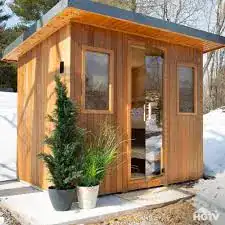
Researchers tracking over 2,300 Finnish men for more than 20 years discovered that those who used saunas 4-7 times weekly throughout the year had a 50% lower risk of fatal cardiovascular disease compared to once-a-week users (Laukkanen et al., JAMA Internal Medicine, 2015). That’s not just impressive, that’s game-changing. And winter? It might actually be the best time to start.
Winter home sauna benefits go way beyond just warming up cold toes. We’re talking about scientifically-backed immune system boosts, cardiovascular protection when your heart needs it most, and a real solution for seasonal depression that doesn’t come in a pill bottle.
In this guide, you’ll discover:
- Why the science behind winter sauna use shows dramatically better results than summer sessions
- How to choose between traditional and infrared saunas for your North Carolina home
- The exact protocols researchers used to achieve those remarkable health outcomes
If you’ve been thinking about adding a sauna to your home, or you’re just tired of fighting through another tough winter, keep reading. This might be the wellness investment that actually pays off.
Table of Contents
Show
The Science Behind Winter Sauna Therapy
Let’s talk about what winter actually does to your body, beyond just cold fingers and higher heating bills.
How Cold Weather Affects Your Body
Cold weather does more than make you shiver, it triggers a range of physiological changes as your body works to preserve heat and energy. From your heart and circulation to your immune response and mood, low temperatures can impact your health in several ways:
- Restricted Blood Flow: As temperatures drop, your blood vessels constrict to conserve heat, forcing your heart to work harder to circulate blood through narrower pathways. This can increase blood pressure and reduce warmth in your hands and feet.
- Slower Circulation: Reduced blood flow means less oxygen and nutrients reach your extremities, which is why fingers and toes often feel cold or numb during winter.
- Weakened Immune System: Cold, dry air can dry out your nasal passages, your body’s first defense against germs, making it easier for viruses to take hold. Spending more time indoors with shared air also raises your exposure to bacteria and seasonal illnesses.
- Decreased Vitamin D and Serotonin Levels: Shorter daylight hours limit your sun exposure, lowering your body’s production of vitamin D and serotonin. This drop can contribute to fatigue, lower immunity, and even seasonal mood changes.

Why Heat Therapy Works Better in Winter
When you expose yourself to sauna heat during winter, you raise your core body temperature and set off a mild heat-stress response. As your core temperature rises, your heart rate climbs to levels often reached during moderate exercise, and circulation ramps up throughout the body. Some describe this whole-body heat response as similar to a mild, temporary fever, the kind of state that can help activate the body’s natural defense mechanisms.
Heat shock proteins then kick in. These are special molecules that help repair damaged cells and protect against stress. The hormetic stress response gets amplified too. Cold weather is one kind of stress. Sauna heat is another. But when you combine them strategically, the benefits multiply.
Temperature Contrast Creates Amplified Benefits
The wider the temperature swing, the more your cardiovascular system adapts. Your body becomes better at regulating itself overall. This is why Nordic countries, with their harsh winters, developed such strong sauna traditions. It’s not magic. It’s just biology working the way it’s supposed to.
Winter-Specific Health Benefits: What the Finnish Research Found
Don’t just take my word for it, let’s get into the research:
Immune System Gets a Serious Boost
Winter is basically cold and flu season with better marketing. But a regular sauna habit can be a comforting part of your cold-weather wellness routine. The heat of a session raises your core temperature and gets your blood moving, and many regular sauna users say they feel more resilient when everyone around them is getting sick.
Finnish researchers have spent decades studying this, and the connection between sauna use and fewer respiratory infections is solid. People who use saunas regularly during winter report fewer colds, shorter duration when they do get sick, and generally better resilience.
Cardiovascular Protection When You Need It Most
Here’s where the data gets really compelling. That 20-year Finnish study I mentioned earlier? The findings were dramatic. Men who used saunas 4-7 times per week had a 63% lower risk of sudden cardiac death compared to those who used them just once weekly.
Winter puts extra strain on your cardiovascular system. Cold weather causes vasoconstriction (narrowing of blood vessels), which forces your heart to pump harder. But regular sauna use counteracts this. The heat causes vasodilation (widening of blood vessels), which improves circulation and gives your heart a break.
Mental Health and Beating Seasonal Depression
Seasonal Affective Disorder isn’t just feeling a little down because it’s dark outside. It’s a real condition affecting millions every winter, and warmth and routine can both help. Sauna use has also been studied for broader mental health: in a long-term study of Finnish men led by researchers at the University of Eastern Finland, those who used saunas 4-7 times per week had roughly a 77% lower risk of developing a psychotic disorder than once-a-week users.
This may be because endorphins flood your system during and after a sauna session. And better rest often follows: in a global survey of more than 3,600 sauna users, 83.5% reported improved sleep after their sauna sessions. Better sleep means better mood regulation, more energy, and clearer thinking.
Pain Relief for Winter Aches
If you’ve got arthritis, you already know winter is rough. The deep, penetrating heat from a sauna reaches tissue that surface heating methods can’t touch. Blood flow increases to painful areas, bringing oxygen and nutrients that speed healing, reduce inflammation drops, and ease muscle spasms.
Traditional vs. Infrared Saunas: Which Works Best for Winter?
Walk into any sauna showroom or start browsing online, and you’ll find passionate advocates for both traditional and infrared models. Both will swear their choice is superior.
The truth? It depends on what you’re looking for. Let’s break down the infrared vs traditional sauna pros and cons specifically for winter use.
Traditional Finnish Saunas: The Research-Backed Original
Traditional saunas run hot. We’re talking 150-195°F with the option to pour water over heated rocks for steam bursts. The research I’ve been citing? Almost all of it was done using traditional saunas.
For winter specifically, traditional saunas offer some unique advantages. The steam from water hitting hot rocks creates humidity that can help with respiratory issues. Dry winter air wreaks havoc on your sinuses and lungs, but a few minutes breathing in that warm, moist air can provide serious relief.
Installation for traditional saunas, though, requires more planning. You need dedicated space, proper insulation (especially important in winter), good ventilation, and typically 240V electrical service. Heat-up time is also a bit more intensive, at 30-40 minutes, and energy costs can run about $0.30-$0.50 per session (learn more about how much does a sauna cost to run in our detailed breakdown).
But traditional saunas last; we’re talking decades with minimal maintenance (check out our sauna maintenance 101 guide). They hold their value, create that social, family-friendly environment, and deliver the most thoroughly researched health benefits.
Infrared Saunas: The Modern Alternative
Infrared saunas work differently. Instead of heating the air around you, infrared panels emit light that penetrates your skin and heats your body directly. The cabin temperature stays much lower, usually 120-140°F, which makes longer sessions more comfortable.
For winter use, infrared saunas have some practical advantages. Lower operating temperatures mean lower energy costs. Installation is often plug-and-play; many models don’t require special electrical work. Plus, they heat up more quickly than traditional saunas, typically in about 10-15 minutes.
The heat penetration is deeper with infrared, which some people find more effective for pain relief and muscle recovery. And if you’re someone who just can’t handle the intensity of traditional sauna heat, infrared lets you get similar sweating and cardiovascular benefits without feeling like you’re melting.
The downside? Less research. Most of the big, long-term health studies used traditional saunas. There’s also the EMF (electromagnetic field) question. Quality brands design low-EMF panels, but cheaper models can have higher emissions. Traditional saunas, on the other hand, have zero EMF concerns.
Making the Right Winter Choice
The good news? Both types will provide winter wellness benefits. The question is what matters most to you.
Quick Decision Guide: Which Sauna Type Matches Your Winter Needs?
| Your Priority | Best Choice | Why It Matters for Winter |
| Maximum proven health benefits | Traditional Finnish | 20+ years of cardiovascular research, highest immune boost data, steam helps with winter respiratory issues |
| Tightest budget (under $3,000) | Infrared | Lower purchase price, easier DIY installation, reduced energy costs during frequent winter use |
| Daily winter use | Infrared | Gentler heat allows longer sessions, faster heat-up time (10-15 min vs 30-40 min), lower operating costs add up with daily use |
| Family or social use | Traditional Finnish | Larger capacity, authentic shared experience, cultural tradition of gathering in winter |
| Limited space (under 4×4 feet) | Infrared | Compact single-person units available, no ventilation requirements, can fit in closets or small rooms |
| Chronic pain/arthritis | Infrared | Deeper tissue penetration, can tolerate longer sessions at lower temps for sustained relief |
| Authentic Nordic experience | Traditional Finnish | Steam component, higher heat, centuries of cultural tradition, social rituals |
| Long-term investment (10+ years) | Traditional Finnish | Decades of lifespan, holds property value better, proven durability in all climates |
For North Carolina winters, either choice works well. Our climate is mild enough that outdoor installation is a good idea, but cold enough that you’ll get those amplified winter benefits we talked about. (Wondering are infrared saunas good for north carolinas climate? We’ve got a detailed analysis.)
Creating Your Optimal Winter Sauna Routine
Having a sauna is one thing. Using it effectively is another. The difference between “I have a sauna in my basement” and “regular sauna use transformed my winter habits” often comes down to having an actual routine.
Evidence-Based Usage Protocols
The Finnish research gives us clear benchmarks here. Using a sauna 2-3 times per week reduced cardiovascular disease risk by 27%. Not bad. But bumping that up to 4-7 times weekly? That’s where you hit the 50% risk reduction.
Your Winter Sauna Schedule: Matching Frequency to Goals
| Your Winter Wellness Goal | Recommended Frequency | Session Duration | Best Time of Day | Expected Timeline for Results |
| Basic stress relief & relaxation | 1-2 times per week | 15-20 minutes | Evening (promotes better sleep) | Immediate (same day) |
| Improved sleep quality | 2-3 times per week | 15-20 minutes | 2-3 hours before bed | 1-2 weeks |
| Immune system boost (fewer colds) | 3-4 times per week | 15-20 minutes | Flexible, consistency matters most | 3-4 weeks |
| Muscle recovery & pain relief | 3-5 times per week | 20 minutes | Post-workout or evening | 1-2 weeks for acute pain, 4-6 weeks for chronic |
| Cardiovascular health improvement | 4-7 times per week | 15-20 minutes | Morning or evening | 8-12 weeks for measurable changes |
| Seasonal Affective Disorder (SAD) | 4-7 times per week | 20 minutes | Morning (mimics light therapy timing) | 2-4 weeks |
| Maximum longevity benefits | 4-7 times per week | 15-20 minutes | Consistent time daily | 6+ months for significant impact |
Important Notes:
- Start with lower frequency (2-3x weekly) if you’re new to sauna use, regardless of your goal
- Build up gradually over 2-3 weeks to avoid overwhelming your system
- Consistency beats intensity; 3 sessions weekly all winter is better than 7 sessions for two weeks then quitting
- Always hydrate with 16+ oz water before and after each session
Start slow if you’re new to this. Maybe 2-3 sessions per week for the first month. See how your body responds, and then increase the frequency for those maximal benefits.
Maximizing Your Winter Results
To get the most out of your winter sauna sessions, here’s what to keep in mind:
- Prioritize Hydration: Many people underestimate how much fluid they lose while sweating in the sauna. Aim to drink at least 16 ounces of water before your session and have more on hand for afterward. Staying hydrated helps regulate your body temperature, supports detoxification, and prevents fatigue or lightheadedness.
- Incorporate Cold Contrast Therapy: Follow your sauna with a short exposure to cold like a quick shower, stepping outside briefly, or even splashing cold water on your face. This hot-cold contrast stimulates circulation, boosts immune function, and activates recovery responses within your body.
- Ease Into Temperature Changes: Nordic cultures have used alternating heat and cold for centuries, and their secret lies in consistency and gradual adaptation. Start with cool water and work your way to colder temperatures over time. As your body adjusts, you’ll experience improved tolerance and a greater sense of rejuvenation after each session.
Installing a Home Sauna: What You Need to Know
Deciding you want a sauna is step one. Actually getting one installed and running? That’s where things get a little more complex. Our complete guide to home sauna installation walks you through the entire process, but here are the key winter considerations.
Indoor vs. Outdoor Placement
For North Carolina winters, both options work. Our climate is generally mild enough that outdoor saunas hold up well, but cold enough that you’ll appreciate the warmth even more. (Check out our detailed comparison of indoor vs outdoor saunas for more guidance.)
Indoor saunas offer convenience. You’re not walking outside in the cold to access it. Installation is often simpler since you’re working within existing structure. But they require proper ventilation.
Outdoor saunas create a different experience. There’s something special about that cold-to-hot transition when you walk from winter air into a heated sauna. Many people find it enhances the therapeutic benefits. The tradeoff is weatherproofing and potentially higher installation costs.
Working With Installation Professionals
Unless you’re seriously handy and know your way around electrical work, you’ll want professionals for this. Most quality electric heaters run on 240V, and they need a dedicated circuit. That means running new wiring from your breaker box, installing a new breaker, and ensuring everything meets local electrical codes.
For outdoor installations, you might also need a concrete pad or proper foundation. Some places require permits. North Carolina building codes vary by county, so check with your local building department before ordering equipment. (We cover everything you need to know about whether you need a permit to install a home sauna in nc in our comprehensive guide.)
Timeline for installation typically runs 1-3 days for prefab or modular saunas once site prep is finished. Contrary to popular belief, winter construction is sometimes better: Contractors aren’t as busy, and you’re not waiting for ideal weather.
Epic Hot Tubs works with experienced installation teams familiar with Finnleo saunas and North Carolina building requirements. They handle the logistics, coordinate with electricians and contractors as needed, and make sure everything is done right the first time.
Safety Guidelines for Winter Sauna Use
Saunas are a powerful tool for relaxation and wellness, especially during cold weather, but they’re not one-size-fits-all. While most people can safely enjoy sauna sessions, it’s important to understand how your body responds to heat and to recognize when extra caution or medical guidance is necessary. Following a few simple safety practices can help you reap the full benefits of your sauna experience without unnecessary risks.
Who Should Get Medical Clearance First
Before beginning a regular sauna routine, certain individuals should consult a healthcare provider to make sure it’s safe. The intense heat in a sauna causes your heart rate and blood flow to increase, effects that can be beneficial for healthy users but potentially risky for those with underlying health conditions.
- Cardiovascular Conditions: Anyone with high blood pressure, a history of heart attack, unstable angina, or severe aortic stenosis should talk to their doctor first. These conditions can make it harder for your body to handle the heat-induced cardiovascular changes.
- Pregnancy: Most healthcare professionals advise avoiding sauna use during pregnancy, particularly in the first trimester, due to the risk of overheating and dehydration.
- Prescription Medications: Some medications alter how your body regulates temperature, blood pressure, or hydration. If you’re on any prescription drugs, confirm with your doctor or pharmacist that sauna use is safe for you.
Winter-Specific Safety Tips
Extreme temperature shifts, like stepping from freezing outdoor air into a 190°F sauna, can be stressful for your cardiovascular system. Protect your health and enhance your comfort by easing into and out of the heat mindfully.
- Transition Gradually: When coming in from the cold, give yourself a few minutes at room temperature before entering the sauna. This allows your body to adjust and reduces shock to your system.
- Cool Down Slowly: After your session, don’t head straight out into the cold. Sit or stand in a temperate room, hydrate, and allow your core temperature to normalize before venturing back outdoors.
- Avoid Alcohol: Alcohol impairs judgment, slows your body’s ability to regulate temperature, and increases dehydration risk. Always save your drink for after your session.
- Listen to Your Body: Never ignore warning signs like dizziness, nausea, or lightheadedness. Step out immediately if you feel unwell. Build up your heat tolerance gradually, starting with shorter sessions and lower temperatures, especially if you’re new to sauna use.
Making It Happen: Your Next Steps
You’re convinced winter sauna use makes sense. Now what?
- First, decide which type of sauna fits your situation. Go back to that traditional vs. infrared comparison. Think honestly about your space, budget, preferences, and goals. Both work. Neither is wrong. It’s about what works for you. Our guide to the best sauna for home can help you narrow down your options.
- Visit a showroom if possible. Epic Hot Tubs has locations in Raleigh, Durham, Pineville, and Cornelius with Finnleo saunas you can actually see and experience. Sitting in a sauna for a few minutes tells you more than reading a hundred articles.
- Get real numbers on installation. Talk to professionals about your specific property. Electrical requirements, placement options, permits, timeline, total costs. You need accurate information to make a good decision. Understanding how much does a home sauna cost upfront helps you budget appropriately and avoid surprises.
- Consider financing options. Quality home saunas are an investment, but many dealers offer payment plans that make it manageable. When you factor in the health benefits and reduced medical costs over time, the ROI is solid.
Your winters don’t have to be a battle you endure. With a home sauna and a consistent routine, they can become a season of restoration and wellness. The research backs it up. The users confirm it. Now it’s just about taking the next step.
Key Comparisons: Traditional vs. Infrared for Winter Use
| Feature | Traditional Finnish | Infrared |
| Temperature Range | 150-195°F | 120-140°F |
| Heat-Up Time | 30-40 minutes | 10-15 minutes |
| Energy Cost Per Session | $0.30-$0.50 | $0.15-$0.30 |
| Installation Complexity | Requires dedicated electrical, ventilation, insulation | Often plug-and-play, minimal electrical |
| Research Support | Extensive (20+ year studies) | Limited but growing |
| Steam Option | Yes (water on rocks) | No |
| Winter-Specific Benefit | Respiratory relief, higher proven cardiovascular benefit | Deeper muscle penetration, easier daily use |
| Typical Installation Cost | $3,000-$10,000+ | $1,500-$5,000 |
| Lifespan | Decades with minimal maintenance | 10-15 years average |
| Best For | Families, authentic experience, maximum health benefits | Individuals, tight spaces/budgets, heat-sensitive users |
Frequently Asked Questions
How quickly will I see health benefits from winter sauna use?
Some benefits show up fast. You’ll likely notice better sleep quality and mood improvement within the first week or two. Muscle pain relief can happen after even a single session. Big cardiovascular and immune system changes, on the other hand, take consistent use over months. Most people report feeling noticeably better within the first month, but the really dramatic results come from making it a permanent part of your winter routine.
Can I use a home sauna every day during winter?
Yes, daily use is safe for most healthy adults and might even be optimal. That said, if you’re new to sauna bathing, start with 2-3 times weekly and build up. The key is consistency over time, not cramming as many sessions as possible into each week.
Will a home sauna increase my winter heating bills significantly?
Not as much as you’d think. A typical session costs $0.30-$0.50 for traditional saunas, even less for infrared models. That’s comparable to running a space heater for a few hours. Modern saunas are well-insulated, and they’re only running during your actual session. Some people even find they can lower their home thermostat because they’re staying warmer through regular sauna use. Over a full winter, you might see an extra $20-40 monthly on your electric bill with frequent use.
What’s the minimum space needed for a home sauna installation?
Infrared saunas can fit in surprisingly small spaces. Some single-person models need just 3×3 feet of floor space. Traditional saunas typically require more room, with small two-person models starting around 4×4 feet. But you also need to consider door clearance, ventilation access, and distance from walls for heat dissipation. For outdoor installation, you’ll want a level foundation pad slightly larger than the sauna itself. Most homes can accommodate at least a small sauna if you get creative with placement. Basements, spare bathrooms, garages, and outdoor patios all work.
How does North Carolina’s winter climate affect sauna installation and use?
North Carolina winters are actually ideal for home saunas. We get cold enough to appreciate the heat and experience those amplified winter benefits, but not so harsh that outdoor installation becomes problematic or that extreme cold significantly impacts operating costs. The mild climate means outdoor saunas don’t require the heavy-duty weatherproofing needed in places like Minnesota. Installation can happen year-round since we rarely have weather that would prevent construction. The moderate humidity helps too; traditional saunas work well here because our air isn’t already bone-dry like desert climates.
Embrace Heat Therapy This Winter
Whether you’re using your sauna to boost circulation, support recovery, or simply escape the winter chill, the key to lasting benefits lies in consistency, hydration, and safe practice. When combined with mindful cold contrast therapy and gradual temperature adaptation, your sauna sessions can become a key part of your winter wellness routine.
If you’re ready to take your at-home relaxation and recovery to the next level, explore the premium collection of saunas and hot tubs at Epic Hot Tubs. Our experts can help you find the perfect model to match your space, lifestyle, and health goals, so you can bring spa-level rejuvenation home this season.
Have questions, or want to see options in person? Stop by any of our five North Carolina showrooms and talk it through with our team: Raleigh, Durham, Sanford, Charlotte, or North Charlotte. We are open 7 days a week, no appointment needed.

About The Author:
Richard Horvath
Hot Tub & Spa Expert
Richard has been in the hot tub & spa industry for years. As a long hot tub & swim spa owner himself, Richard has a passion for helping homeowners create their dream backyard, helping over one thousand North Carolina homeowners achieve that dream in the process.


