
Tailor your hot tub soak to the season—cooler in summer, warmer in winter—while prioritizing safety…

Why Is My Hot Tub Taking So Long to Heat Up?
Heating slower than you expected? Here are the common causes and simple fixes to get your water warm faster.
You filled the tub, switched it on, and hours later the water is still lukewarm. Slow heating is one of the most common hot tub complaints we hear, and the good news is that the cause is usually simple and easy to fix. Before you assume the heater has failed, it helps to know how fast a hot tub is supposed to warm up and which everyday culprits quietly slow it down.
Quick Preview: What You’ll Learn
- What normal looks like: how many degrees per hour a healthy heater actually adds.
- The usual culprits behind slow heating, from a leaky cover to an air lock in the plumbing.
- Simple fixes you can try yourself, and the jobs best left to a technician.
Straight answers to the hot tub heating questions owners ask us most.
Table of Contents
Show
Quick Answer: How Fast Should a Hot Tub Heat Up?
A hot tub with a standard 4 kW heater warms the water by roughly 4°F to 6°F per hour. Plug-and-play models that run on an ordinary 110-volt outlet use a smaller heater and manage only about 2°F to 3°F per hour. Starting from a cold winter fill, reaching the comfortable soaking range (100°F to 102°F, with 104°F the safe maximum) can take anywhere from 4 to 24 hours depending on the tub’s size, the starting water temperature, and the weather. Larger swim spas take longer still. For a full breakdown by tub size, see our guide on how long hot tubs take to heat up.
So if a brand-new tub or a fresh cold-water refill takes most of a day to reach temperature, that may be completely normal. It only becomes a problem when heating is much slower than the rates above, when the temperature stalls a few degrees short of your setting, or when a tub that used to heat quickly suddenly slows down. That is what the rest of this guide helps you sort out.
The Most Common Reasons a Hot Tub Heats Too Slowly
Most slow-heating complaints trace back to one of the causes below. Work through them roughly in order, since the first few are the most common and the easiest to check.
1. The Cover Is Off or Not Fully Sealed
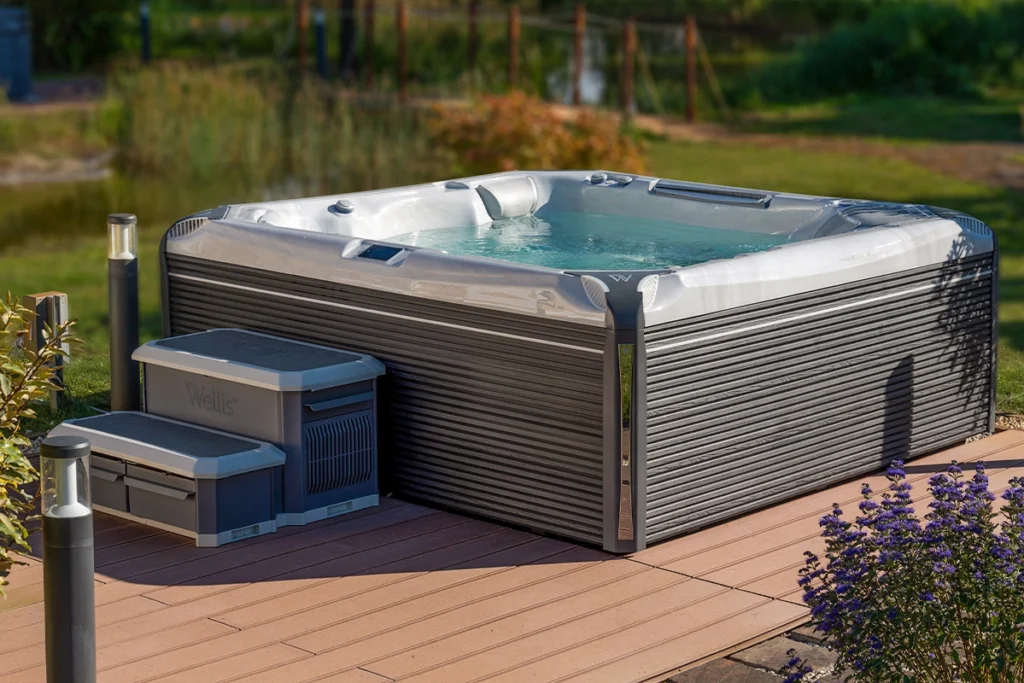
An open or poorly sealed cover is the number one reason a hot tub struggles to reach temperature. Water sheds heat to the air far faster than a heater can replace it, so a cover that is left off, propped open, or has a waterlogged, sagging foam core lets warmth escape as quickly as it is added. The tub ends up stuck a few degrees below your set point no matter how long it runs. Keep the cover fully latched while the tub heats, and replace any cover that feels heavy, soggy, or no longer seals flat against the shell.
2. The Heater Is on Economy or Reduced-Power Mode
Many hot tubs have an economy, sleep, or low-power setting that only heats during set hours or holds the water below your target to save energy. If your tub was switched into one of these modes, it will heat slowly or seem to stop short of temperature. Check the topside panel for an Economy, Eco, or Sleep indicator and switch to Standard or Ready mode when you want the tub hot and available.
3. A Dirty Filter Is Choking the Water Flow
The heater only warms the water that flows past it, so anything that restricts circulation slows heating down. A filter packed with body oils, lotion, and scale is the usual offender, and a severe clog can even trip the flow switch and shut the heater off entirely. Rinse your filter every couple of weeks and deep-clean it regularly; our step-by-step guide on how to clean a hot tub filter walks you through it. Understanding how a hot tub works also makes it clear why steady flow matters so much to heating.
4. The Water Level Is Too Low
If the water drops below the skimmer or the highest jets, the pump starts pulling in air instead of water. That trips the flow or pressure switch, a safety feature that stops the heater from firing when water is not moving across it. The result looks exactly like a heating failure. Top the tub back up to the middle of the skimmer, or the level your manual specifies, and the heater should resume.
5. There Is an Air Lock After a Refill
After a drain and refill, air can get trapped in the pump and plumbing. This air lock stops water from circulating even though the pump is running, and with no flow the heater will not turn on. You will often hear the pump gurgling or running quieter than usual. Clearing it is usually quick: briefly loosen a pump union to let the trapped air escape, or run the jets on high for a few seconds. Filling through the filter housing, as described in our guide on how to fill a hot tub, helps prevent air locks in the first place.
6. Cold Weather and Wind Are Pulling Heat Away
Cold air and wind draw heat out of the water and the equipment, so the same tub that heats in a few hours in summer can take most of a day in the depths of winter. Wind is especially punishing because it strips warmth from the cover and cabinet. A well-insulated cover, a windbreak, and a sheltered location all help. Winter heating also costs more to run; our guide on the cost to run a hot tub in the winter explains what to expect and how to keep the bill down.
7. The Heater Element Is Aging or Undersized
Heaters do not last forever. Over the years, mineral scale builds up on the heating element and insulates it from the water, so it transfers less heat and the tub warms more slowly. An undersized heater, common on smaller plug-and-play tubs, simply cannot heat a large volume quickly no matter what. If your tub has gradually gotten slower to heat over several seasons, a scaled or failing element may be the reason. Testing or replacing an element involves the tub’s electrical system and is a job for a qualified technician, not a DIY repair.
8. The Thermostat Is Set Below the Temperature You Want
It sounds obvious, but a thermostat set to 98°F will never give you a 104°F soak. If someone lowered the set point, or an economy schedule reset it, the tub is heating exactly as told, just not to the temperature you expected. Check the set temperature on the topside panel first. Most tubs cap out at 104°F for safety, and the comfortable sweet spot for most people is 100°F to 102°F.
9. Nothing Is Wrong, You Just Keep Checking
Sometimes the heater is doing its job and the wait simply feels long, especially on a first fill or after a cold refill. Every time you lift the cover to test the water by hand, you let a cloud of heat escape and add to the wait. Trust the reading on the control panel, keep the cover sealed, and give it time. If the number on the display is climbing steadily, the tub is heating normally.
A Quick Slow-Heating Diagnostic Checklist
When your tub is heating slowly, run through these checks in order before you reach for the phone:
- Check the set temperature and make sure the tub is in Standard or Ready mode, not Economy or Sleep.
- Confirm the cover is fully latched and not waterlogged or torn.
- Make sure the water level is at or above the middle of the skimmer.
- Pull and rinse the filter, then run the tub and listen for steady flow with no gurgling.
- If you just refilled, clear any air lock by bleeding a pump union or running the jets on high.
- Give a cold or winter fill several more hours before assuming there is a fault.
- If heating is still far slower than 4°F to 6°F per hour, or the panel shows an error code, note what it says and call a technician.
When to Call a Hot Tub Technician
Most slow-heating problems come down to a cover, a filter, a low water level, or an air lock, all of which you can handle yourself. Call a qualified hot tub technician when the basics check out and the tub still will not heat, when the heater trips the breaker, when a flow or heater error code keeps returning after you have cleaned the filter and cleared any air, or when you suspect a failed heating element. Anything involving the heater element, the circuit board, or the tub’s wiring is electrical work that should be left to a licensed professional for your safety.
FAQs
Why is my hot tub taking so long to heat up?
The most common causes are a cover that is off or not sealing, a dirty filter restricting water flow, a low water level, or an air lock after a refill. Cold or windy weather and an economy heating mode also slow things down. A standard hot tub heats about 4 to 6 degrees per hour, so even a healthy tub can take several hours to warm a cold fill.
How many degrees per hour should a hot tub heat?
A standard 4 kW hot tub heater raises the water roughly 4 to 6 degrees Fahrenheit per hour. Smaller plug-and-play models on a 110-volt outlet manage about 2 to 3 degrees per hour. If your tub is heating far slower than that, check the cover, filter, and water level first.
Why does my hot tub stop heating a few degrees below the set temperature?
Stalling just short of the set point usually means heat is escaping as fast as it is added. A waterlogged or poorly sealed cover is the usual reason, along with cold, windy weather. Replacing a worn cover and adding a windbreak often lets the tub finally reach temperature.
Can a dirty filter really stop my hot tub from heating?
Yes. The heater only warms water that flows past it, so a clogged filter that restricts circulation slows heating and can trip the flow switch, which shuts the heater off as a safety measure. Rinsing or replacing the filter is one of the first things to try.
Why will my hot tub not heat after I refilled it?
A fresh refill often traps air in the pump and plumbing, called an air lock, which stops water from circulating. With no flow the heater will not turn on. Loosen a pump union to bleed the air or run the jets on high for a few seconds, and the heater should start again.
Is it normal for a hot tub to heat slowly in winter?
Yes. Cold air and wind pull heat away, so a tub that heats in a few hours in summer can take most of a day in winter. A well-insulated cover, a windbreak, and a sheltered spot all help, and the tub will still reach temperature; it just takes longer.
When should I call a technician about slow heating?
Call a professional when the cover, filter, water level, and air lock all check out and the tub still will not heat, when it trips the breaker, or when a heater or flow error code keeps returning. Heating element and electrical repairs should always be handled by a licensed technician.
The Bottom Line on Slow Heating
A hot tub that heats slowly is rarely broken. Usually it is telling you something simple: the cover is not sealing, the filter is dirty, the water is low, or there is air in the lines. Start with the quick checklist above, give a cold fill enough time, and you will solve most slow-heating problems in a few minutes without a service call. When the basics are covered and the tub still lags, that is the time to bring in a professional. Need a hand, or thinking about a more efficient, faster-heating tub? Reach out to Epic Hot Tubs and our team will point you in the right direction.
Have questions, or want to see options in person? Stop by any of our five North Carolina showrooms and talk it through with our team: Raleigh, Durham, Sanford, Charlotte, or North Charlotte. We are open 7 days a week, no appointment needed.

Ready to purchase a hot tub in NC?
Call us at 888-884-3742 or fill out the form below to get in touch with a member or our team.

About The Author:
Richard Horvath
Hot Tub & Spa Expert
Richard has been in the hot tub & spa industry for years. As a long hot tub & swim spa owner himself, Richard has a passion for helping homeowners create their dream backyard, helping over one thousand North Carolina homeowners achieve that dream in the process.


