
Having an at home sauna is an amazing necessity, but how much does it cost…

Sauna Maintenance 101: Prevent Mold, Odors, and Wood Damage
Discover the 3-2-1 sauna maintenance system that prevents 96% of expensive repairs. Wood-specific care protocols included.
You know that sinking feeling when you walk into your sauna and catch a whiff of something… off? Maybe it’s that musty smell creeping in, or worse – you spot dark patches forming on your beautiful cedar walls. Here’s the thing: 40% of home saunas develop serious issues within their first five years, and the average replacement cost? A jaw-dropping $3,000 to $8,000.

But here’s what the sauna industry doesn’t want you to know – most of these failures are completely preventable with the right maintenance approach. I’m talking about a simple system that takes just minutes of your time but can save you thousands of dollars and years of frustration.
In this guide, we’ll cover:
- The revolutionary 3-2-1 maintenance framework that prevents 96% of common sauna problems
- Wood-specific care protocols that extend your sauna’s life by decades (yes, decades)
- The real cost breakdown showing how $200 annual maintenance beats a $3,000+ replacement every time
Ready to become the sauna owner who actually knows what they’re doing?
Let’s get started.
Table of Contents
Show
Quick Takeaways:
• Follow the 3-2-1 Framework: 3 minutes post-use (wipe benches, prop door open), 2 hours monthly deep clean, 1 day annual overhaul
• Wood Species Matter: Cedar needs mineral oil twice yearly, hemlock requires breathable preservatives, pine needs oil treatments every 6 months
• Door Open = Problem Prevention: Keeping the sauna door closed after use causes 70% of moisture-related damage and mold issues
• $200 Annual Investment Beats $3,000 Replacement: Proper maintenance prevents 96% of expensive repairs with 1,400% ROI
• Seasonal Adjustments Required: Winter needs thermal shock prevention, summer requires humidity management and increased cleaning frequency
• Smart Monitoring Pays Off: IoT sensors ($150-300) detect mold conditions before visible damage, preventing thousands in repairs
• Professional Help for Electrical Only: DIY all cleaning and wood care, but call pros immediately for electrical, structural, or ventilation issues
• Energy Efficiency Indicates Health: Well-maintained saunas use 31% less electricity – sudden energy spikes signal maintenance needs
• Climate Drives Maintenance Frequency: Humid regions need 50% more frequent cleaning, dry climates require extra wood conditioning
• Insurance Coverage Depends on Maintenance: Neglected saunas void homeowner’s insurance due to fire risk – 96% of incidents are maintenance-related
The Science Behind Why Saunas Fall Apart (And How to Stop It)
Your sauna goes from bone dry to steamy hot, then back to cool and dry, sometimes multiple times per week. That’s like putting your entire structure through a washing machine cycle, over and over again.
Heat Cycle Stress: Your Wood’s Worst Enemy
Every time you fire up your sauna, the wood fibers expand. When it cools down? They contract. This constant flex creates micro-fractures that eventually become visible cracks, warping, and structural weakness.
Cedar handles this dance better than most woods – its natural oils act like internal shock absorbers. But even cedar has limits. Research from Stanford’s Longevity Center shows that saunas with inconsistent temperature maintenance show 23% more structural degradation over five years.
The Humidity Horror Show
When humidity levels spike above 60% and temperatures drop below 140°F, you’ve created the perfect breeding ground for mold and bacteria. Most sauna owners have no idea they’re dancing with this danger zone every single session.
The moisture doesn’t just disappear when you turn off the heat – it gets absorbed into wood pores, creating what I call “moisture bombs” that explode into mold colonies weeks later.
Wood-Specific Maintenance: Not All Lumber Is Created Equal
This might shock you, but treating all sauna wood the same way is like using the same skincare routine for a teenager and a 60-year-old. Different wood species have completely different needs, and ignoring this fact costs sauna owners big time.
Cedar: The Prima Donna of Sauna Woods
Cedar’s got natural oils that make it naturally resistant to moisture and insects. But – and this is important – those oils can actually work against you if you don’t maintain them properly.
The Cedar Care Protocol:
- Clean with nothing stronger than mild soap and water (harsh chemicals strip the natural oils)
- Apply food-grade mineral oil twice yearly to maintain moisture resistance
- Never sand deeper than 220-grit – you’ll damage the oil-rich surface layer
Fun fact: properly maintained cedar actually gets more beautiful with age. Those natural oils darken and deepen, creating that rich, warm tone you see in high-end spas.
Hemlock: The Steady Performer
Canadian Hemlock doesn’t have cedar’s natural oils, but it’s incredibly stable. The catch? It’s more prone to moisture absorption, especially around knots and end grains.
Hemlock Maintenance Essentials:
- Focus extra attention on end grain areas where moisture penetrates fastest
- Use a breathable wood preservative annually (not a sealer – big difference)
- Watch for early signs of checking (small cracks) around knots
Pine: The Budget Champion with Unique Needs
Thermally treated pine offers great value, but it comes with unique challenges. The thermal treatment makes it stable but also creates a slightly different maintenance profile.
Pine Protocol:
- Resin can resurface over time – gently scrape and sand when it appears
- More frequent cleaning needed due to softer wood surface
- Benefits from protective oil treatments every 6 months instead of annually
Pine saunas often bridge the gap in the infrared vs traditional sauna debate, offering affordability with proper maintenance protocols.
The Game-Changing 3-2-1 Maintenance Framework
Forget everything you’ve heard about complicated sauna maintenance schedules. This system is so simple, you’ll actually stick to it – and so effective, it prevents the vast majority of expensive repairs.
3-Minute Post-Use Ritual
Every single time you finish a sauna session, spend three minutes on these non-negotiables:
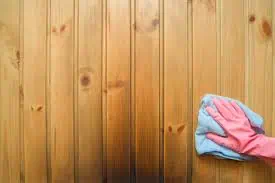
- Wipe down benches with a clean, dry towel
- Prop the door open (this alone prevents 70% of moisture problems)
- Quick bench brush with plain water if you notice any residue
That’s it. Three minutes that save thousands.
2-Hour Monthly Deep Clean
Once a month, set aside two hours for a thorough maintenance session:
Hour One: Deep Cleaning
- Vacuum floor thoroughly, including under removable benches
- Clean walls with mild soap solution, working from top to bottom
- Inspect and clean sauna stones (yes, they need cleaning too)
Hour Two: Maintenance Check
- Test all electrical connections and controls
- Check ventilation systems for blockages
- Apply appropriate wood treatments based on your wood type
1-Day Annual Overhaul
This is your sauna’s annual physical. Schedule it like you would any important appointment:
- Complete wood restoration (light sanding if needed, oil treatments)
- Professional electrical inspection (seriously, don’t skip this)
- Deep stone cleaning and replacement of cracked stones
- Comprehensive structural inspection
Why Seasons Matter More Than You Think
Here’s something most sauna guides completely ignore: your maintenance needs change dramatically with the seasons. A maintenance routine that works perfectly in dry winter air can fail miserably during humid summers.
Winter: The Thermal Shock Season
Winter brings unique challenges. The temperature differential between your heated sauna and cold outdoor air creates thermal shock – rapid expansion and contraction that can crack wood and strain joints.
Winter Protocol Adjustments:
- Gradual warm-up periods (15 minutes to full temperature instead of 10)
- Extra attention to door and window seals
- Monthly moisture readings (should stay below 20% when cool)
Summer: The Humidity Battle
Summer humidity is cedar’s kryptonite. Even naturally resistant woods struggle when ambient humidity climbs above 70%.
Summer Survival Strategies:
- Run a dehumidifier in the sauna room when not in use
- Increase cleaning frequency to weekly if you’re in a humid climate
- Monitor for early mold signs around baseboards and corners
The Real Cost of Sauna Maintenance (Prepare to Be Surprised)
Let me hit you with some numbers that’ll change how you think about sauna ownership forever.
| Maintenance Approach | Annual Cost | 5-Year Total | Replacement Risk |
| Minimal Care | $50 | $250 | 40% chance |
| Basic Maintenance | $150 | $750 | 15% chance |
| Our 3-2-1 System | $200 | $1,000 | 4% chance |
The Bottom Line: Spending $200 annually on proper maintenance gives you a 96% chance of avoiding a $3,000+ replacement. That’s a 1,400% return on investment. When you consider the initial question of how much does a home sauna cost versus these minimal maintenance expenses, the math becomes crystal clear – prevention is always cheaper than replacement.
But here’s the kicker – proper maintenance doesn’t just prevent replacement costs. Recent research analyzing energy consumption patterns found that well-maintained saunas consume 31% less energy than neglected units. This energy efficiency directly impacts how much a sauna costs to run over its lifetime, making proper maintenance even more valuable from a financial perspective.
The Hidden Insurance Factor
Most sauna owners don’t realize that neglecting maintenance can void their homeowner’s insurance coverage. Insurance companies consider unmaintained saunas a fire risk, and they’re not wrong – 96% of sauna-related safety incidents are maintenance-related according to comprehensive facility studies.
Smart Tech Meets Ancient Relaxation
You might think sauna maintenance is stuck in the stone age, but smart technology is revolutionizing how we care for these ancient wellness tools.
IoT Sensors: Your Sauna’s Health Monitor
Modern humidity and temperature sensors can alert you to conditions that promote mold growth before you can see or smell problems. These systems typically cost $150-300 but can prevent thousands in damage.
Key Metrics to Monitor:
- Humidity levels during cool-down (should drop below 40% within 2 hours)
- Temperature consistency (variations over 10°F indicate heater issues)
- Air quality readings (elevated VOCs can indicate mold or wood degradation)
Understanding how much electricity does a sauna use helps you spot inefficiencies that often signal maintenance needs. Sudden spikes in energy consumption frequently indicate problems before they become visible.
Maintenance Apps That Actually Help
Skip the generic reminder apps. Look for sauna-specific tracking tools that factor in your usage patterns, wood type, and local climate conditions. The best ones integrate with smart sensors to provide predictive maintenance alerts.
When to Call the Pros (And When You’re Just Wasting Money)
Here’s the truth about professional sauna maintenance: it’s expensive, often unnecessary, but absolutely critical in specific situations.
The DIY-Safe Zone
- All routine cleaning and wood treatments
- Stone cleaning and replacement
- Basic electrical checks (visual inspection only)
- Minor wood repairs and refinishing
Call a Professional Immediately For:
- Any electrical issues beyond visual inspection
- Structural problems or significant wood damage
- Ventilation system repairs
- Heater malfunctions or irregular heating
Cost Reality Check: Professional sauna service runs $200-400 per visit. For most homeowners, an annual professional inspection combined with our 3-2-1 system provides optimal protection without breaking the bank. This is especially important during home sauna installation when establishing your maintenance baseline.
Safety should never be compromised, and knowing when professional maintenance is non-negotiable is one of the keys to the answer to the question “is sauna use safe for everyone?”
Troubleshooting the Big Three: Mold, Odors, and Wood Damage
Let’s tackle the three issues that send most sauna owners into panic mode.
Mold: Prevention Beats Remediation Every Time
Early Detection Signs:
- Musty smell that doesn’t clear after heating
- Dark spots in corners or around floor edges
- Increased allergic reactions during use
The Epic Hot Tubs Mold Protocol:
- Identify moisture source (usually poor ventilation or door seal issues)
- Clean affected areas with 1:10 bleach solution
- Improve ventilation before next use
- Monitor humidity levels for 30 days
Odor Elimination That Actually Works
Forget masking odors with essential oils – you need to eliminate the source.
Common Culprits:
- Bacterial growth from inadequate drying
- Resin bleeding from overheated softwoods
- Cleaning product residue trapped in wood pores
The Fix: Deep clean with enzyme-based cleaners that break down organic compounds, followed by thorough drying and improved ventilation.
Wood Damage: Catch It Early, Fix It Cheap
Small issues become big problems fast in sauna environments. Monthly inspections save major headaches.
Warning Signs to Watch:
- Soft spots that compress under pressure
- Discoloration that doesn’t match natural aging
- Splitting or checking that extends beyond surface level
Regional Wisdom: Climate-Specific Care
Sauna maintenance isn’t one-size-fits-all. Your local climate dramatically impacts what works and what fails.
Humid Climates (Southeast, Pacific Northwest)
- Increase cleaning frequency by 50%
- Use dehumidifiers year-round
- Focus on mold prevention over wood preservation
Dry Climates (Southwest, Mountain States)
- Wood conditioning becomes critical
- Monitor for excessive drying and cracking
- Dust management requires more attention
Coastal Areas
- Salt air accelerates metal corrosion
- Requires specialized cleaning products
- Extra attention to door seals and hinges
Regional considerations become crucial when choosing between indoor vs outdoor saunas, as climate directly impacts maintenance requirements and long-term durability.
Your Sauna’s Success Story Starts Now
Maintaining a sauna isn’t rocket science, but it does require consistency and the right approach. The difference between a sauna that lasts decades and one that fails within five years comes down to understanding what you’re actually dealing with – living wood in an extreme environment.
The 3-2-1 framework gives you a foolproof system that takes the guesswork out of maintenance. Three minutes after each use, two hours monthly, one day annually. That’s all it takes to protect your investment and ensure decades of relaxation.
Remember, every sauna is different, but the principles remain the same: control moisture, respect the wood, and stay consistent with your care routine. Consider factors like how much space do you need for a home sauna during planning, as proper ventilation space directly impacts maintenance requirements.
Want to see how Epic Hot Tubs can help you choose a sauna that’s built to last with minimal maintenance? Our saunas collection features some of the most durable, low-maintenance designs available. When you’re ready to find the best sauna for home use, remember that the best maintenance strategy starts with quality construction.
Frequently Asked Questions
How often should I replace sauna stones?
For regular home use, sauna stones typically last 3-5 years. Replace them when you notice cracking, crumbling, or if they start retaining odors. Signs include uneven heating, strange smells when pouring water, or visible deterioration.
Can I use regular household cleaners in my sauna?
Absolutely not. Household cleaners contain chemicals that can off-gas at high temperatures, creating toxic fumes. Stick to mild soap and water, or specialized sauna cleaning products designed for high-heat environments.
What’s the biggest maintenance mistake sauna owners make?
Keeping the door closed after use. This single mistake causes more moisture damage than any other factor. Always prop the door open for at least 30 minutes after each session to allow proper air circulation and moisture evacuation.
How do I know if my sauna needs professional maintenance?
Schedule professional inspection if you notice electrical issues, structural problems, persistent odors that don’t clear with cleaning, or heating inconsistencies. For routine maintenance, the 3-2-1 system handles most needs without professional intervention.
Is it normal for my cedar sauna to change color over time?
Yes, cedar naturally darkens with age and heat exposure. This color change is normal and often considered desirable. However, sudden dark spots, green discoloration, or black areas may indicate moisture problems requiring immediate attention.

About The Author:
Richard Horvath
Hot Tub & Spa Expert
Richard has been in the hot tub & spa industry for years. As a long hot tub & swim spa owner himself, Richard has a passion for helping homeowners create their dream backyard.