
Home sauna running costs in 2026: about $17 to $32 per month for daily electric…

How to Add a Custom Sauna During a Remodel
Master sauna integration timing, budget planning & contractor coordination. Complete 2026 guide with cost breakdowns & timeline strategies.
Your contractor just called with an interesting proposition: “While we have everything torn apart for the bathroom renovation, we could easily add a custom sauna to the space.” You’re sitting there with coffee in hand, looking at renovation plans, wondering if this is brilliant timing or complete madness.
Ready to hear the good news? It is actually brilliant timing. And a custom sauna is an investment you won’t regret. The U.S. sauna market generated an impressive $250.8 million in revenue in 2024 and is projected to grow by another $151.3 million through 2029. The wellness real estate market has exploded, doubling from $225 billion in 2019 to $548 billion in 2024. A sauna rarely pays for itself at resale. Estimates put the return at roughly 40% of the install cost in warm regions and about 55% in cold ones, so the value is mostly in using it rather than in selling it.
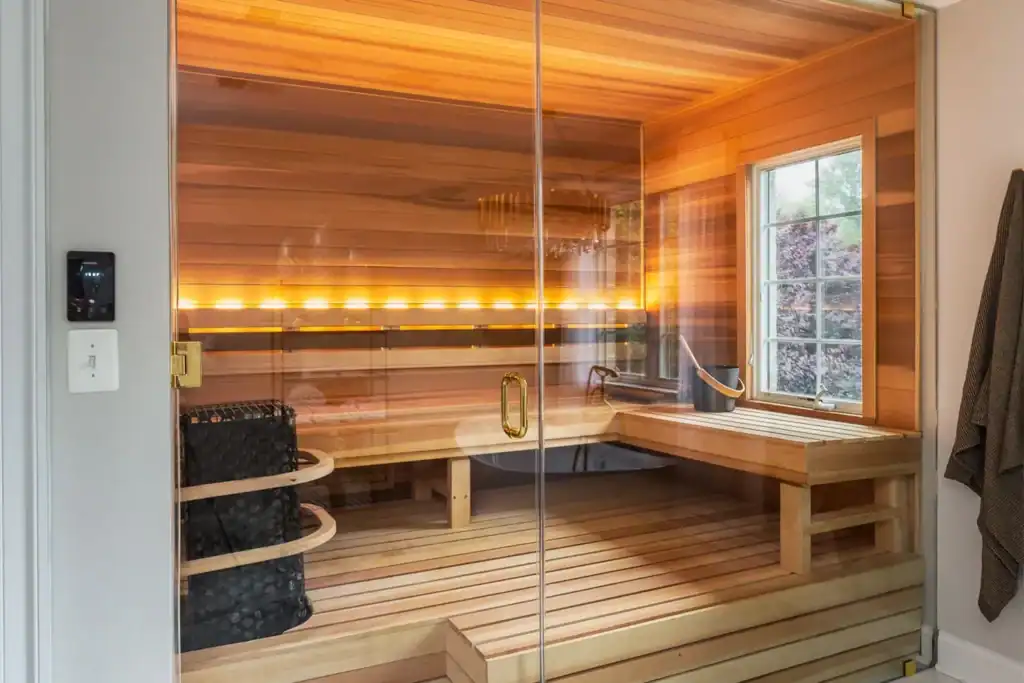
This comprehensive guide covers everything you need to know about integrating a sauna into your renovation project:
- Strategic planning and timeline coordination to maximize efficiency and minimize disruption
- Technical requirements and multi-contractor coordination that ensures smooth integration
- Cost analysis and ROI considerations that help you make informed investment decisions
Whether you’re renovating a bathroom, finishing a basement, or adding a luxury wing, the window for sauna integration might be wider than you think.
Table of Contents
Show
Why Integrate Your Sauna During a Major Remodel?
Most upgrades barely move the needle for actual return on investment. A custom sauna during your remodel, though? That’s a different story.
The Financial Advantage of Bundled Projects
There’s real money to be saved when you bundle your sauna installation with a larger renovation project. After all, your electrician is already on-site running new circuits. This means that adding the dedicated 40-50 amp circuit your sauna needs becomes an incremental cost rather than a separate service call.
Cost Savings Breakdown for Integrated Sauna Installation:
| Service Category | Standalone Installation | Integrated with Remodel | Potential Savings |
| Permit Fees | $800-$1,500 | $200-$500 (bundled) | $600-$1,000 |
| Electrical Service Call | $150-$300 | $0 (already on-site) | $150-$300 |
| Contractor Mobilization | $500-$800 | $0 (shared costs) | $500-$800 |
| Inspection Fees | $300-$600 | $100-$200 (bundled) | $200-$400 |
| Total Potential Savings | $1,450-$2,500 |
Additional cost advantages include:
- Labor coordination becomes dramatically more efficient when trades are already mobilized
- Material deliveries can be consolidated, reducing shipping costs
- Timeline compression means less disruption to your routine
- Shared site preparation costs eliminate duplicate setup fees
I’ve seen homeowners save 20-30% on total project costs compared to adding a sauna as a standalone project later.
Design Harmony and Smooth Integration
Some of the most stunning sauna installations are those thoughtfully integrated during major remodels. When you’re already selecting tile, lighting fixtures, and plumbing finishes, coordinating these elements with your sauna design creates a cohesive aesthetic that standalone installations often struggle to achieve.
Plus, you can make sure your technology is cohesive as well with smart home integration. Modern saunas from companies like Finnleo offer sophisticated control systems that integrate with home automation platforms. When you’re already upgrading electrical and networking infrastructure, adding low-voltage wiring for sauna controls becomes straightforward rather than disruptive.
Planning Your Sauna Integration Strategy
The difference between a sauna installation that feels effortless and one that turns into a renovation nightmare often comes down to planning. Most homeowners underestimate just how much coordination is required to pull off a smooth integration.
Timeline Coordination with Your General Contractor
Here’s what to expect when planning a sauna installation during a renovation:
- Week 1-2: Pre-Construction Planning
- Finalize sauna specifications and sizing
- Submit permit applications (bundled with renovation)
- Order long-lead-time components
- Week 3-4: Rough-In Phase
- Electrical circuit installation (240V, 20-60 amp)
- HVAC ventilation rough-in
- Structural modifications if required
- Week 5-6: Systems Integration
- Electrical and HVAC inspections
- Control system wiring installation
- Final utility connections
- Week 7-8: Sauna Construction
- Sauna kit assembly and installation
- Interior finish work
- Final inspections and commissioning
A smart general contractor will build buffer time into the schedule specifically for sauna coordination. The key insight? Your sauna timeline becomes part of your overall project critical path.
Space Assessment and Design Integration
Before you get started, you’ll want to do your research on the type of sauna that best fits your lifestyle. That will give you an idea of how much space you need, and what kind of electrical and ventilation needs you may need to account for.
Sauna Space Requirements by Type:
| Sauna Type | Minimum Ceiling Height | Typical Footprint | Electrical Requirement | Ventilation Needs |
| Infrared | 75 inches | 4′ x 4′ to 6′ x 8′ | 15-20 amp, 240V | Minimal (natural convection) |
| Traditional Finnish | 78 inches | 5′ x 7′ to 8′ x 10′ | 40-60 amp, 240V | Dedicated intake/exhaust |
| Steam Sauna | 84 inches | 6′ x 8′ to 8′ x 12′ | 20-30 amp + plumbing | Enhanced moisture extraction |
Creative Space Repurposing Opportunities
Bathrooms are one of the most obvious spaces for sauna installations, but there are some other options that may work better for your particular home and routine. Consider:
- Under-stair conversions: Often overlooked spaces that can accommodate compact saunas
- Closet transformations: Walk-in closets frequently have ideal proportions
- Basement alcoves: Natural moisture tolerance makes basements ideal for traditional saunas
- Garage bay conversion: Climate-controlled garage spaces offer excellent flexibility
Essential Technical Requirements for Sauna Integration
Now we’re getting into the technical details that separate successful sauna integrations from expensive do-overs. Most homeowners only discover these requirements after they’ve already committed to a specific design approach.
Electrical and Mechanical Coordination
Most residential saunas require dedicated 240V circuits ranging from 20 to 60 amps. Infrared saunas typically operate on the lower end, while traditional Finnish saunas can demand 50-60 amp service. Understanding how much electricity does a sauna use helps you plan electrical capacity appropriately.
Electrical Planning Checklist:
□ Circuit sizing calculation based on specific heater requirements
□ Panel capacity assessment to ensure adequate electrical service
□ GFCI protection installation per code requirements
□ Control system wiring for smart features and automation
□ Emergency disconnect placement per manufacturer specifications
HVAC Integration Requirements
You’ll also need to look at the requirements needed for HVAC system integration:
| Sauna Type | Air Changes per Hour | Intake Vent Size | Exhaust Vent Size |
| Traditional Finnish | 6-8 ACH | 100-150 sq in | 100-150 sq in |
| Infrared | 2-4 ACH | Natural convection | 50-75 sq in |
| Steam Sauna | 8-12 ACH | 150-200 sq in | 200-250 sq in |
Running high-capacity circuits is straightforward when walls are already open for other electrical work. Adding them later can double or triple installation costs.
Building Code Considerations
Building codes for sauna installations vary significantly by jurisdiction, but certain requirements are nearly universal. Do you need a permit to install a home sauna in nc provides specific guidance for North Carolina homeowners, though similar requirements exist nationwide.
| Code Requirement | Typical Standard | Integration Considerations |
| Electrical Service | 240V, 20-60 amp dedicated circuit | Coordinate with panel upgrades |
| Ventilation | Minimum 6 air changes per hour | Integrate with HVAC modifications |
| Fire Safety | 6″ clearance from combustibles | Plan during framing phase |
| Moisture Protection | Vapor barrier, drainage slope | Coordinate with waterproofing |
Structural considerations become particularly important for traditional saunas. The floor drainage (especially important for traditional wet saunas) needs to connect to your home’s drainage system. Understanding dry vs wet sauna differences helps inform your infrastructure planning decisions.
Choosing the Right Sauna Type for Your Remodel
The sauna type you choose significantly impacts both your renovation timeline and integration complexity. This decision affects everything from electrical planning to space requirements.
Traditional vs. Infrared: Remodel Considerations
Understanding infrared vs traditional sauna pros and cons becomes crucial when planning integration during renovation. Each type presents different challenges and opportunities for smooth incorporation.
Comprehensive Sauna Type Comparison:
| Feature | Traditional Finnish | Infrared | Remodel Impact |
| Operating Temperature | 150-190°F | 110-130°F | Affects insulation requirements |
| Electrical Service | 40-60 amp, 240V | 15-20 amp, 240V | Impacts panel capacity needs |
| Installation Complexity | High (ventilation, plumbing) | Moderate (electrical only) | Affects contractor coordination |
| Moisture Generation | High (löyly steam) | Minimal | Influences moisture management |
| Integration Timeline | 3-4 weeks | 1-2 weeks | Impacts renovation schedule |
Key Decision Factors: Infrared vs. Traditional Saunas
- Space constraints: Infrared saunas can fit in smaller spaces with lower ceilings
- Electrical capacity: Traditional saunas may require electrical panel upgrades
- Renovation complexity: Infrared installation integrates more easily with existing systems
- Authentic experience: Traditional saunas offer the classic Finnish sauna experience
Working with Multiple Contractors
Managing coordination between your general contractor, sauna specialist, electrician, and HVAC contractor can feel like conducting a symphony where half the musicians are playing different pieces. Here’s what to expect from each member of your remodel team if you’re thinking about installing a sauna:
Sauna Integration Team Roles and Responsibilities:
| Team Member | Primary Responsibilities | Key Coordination Points |
| General Contractor | Overall project management, scheduling, permits | Timeline coordination, change order management |
| Sauna Specialist | Installation expertise, manufacturer liaison | Product specifications, assembly requirements |
| Licensed Electrician | High-voltage circuits, GFCI protection, controls | Circuit sizing, panel capacity, code compliance |
| HVAC Professional | Ventilation design, ductwork installation | Air exchange rates, moisture management |
Critical Communication Protocols
When adding a custom sauna during a remodel, one of the most overlooked success factors isn’t the design or even the budget, it’s communication. With multiple contractors, specialists, and suppliers involved, things can quickly fall through the cracks unless there’s a clear system in place. That’s why establishing communication protocols before work begins is essential.
Weekly Coordination Meetings
Schedule standing weekly check-ins with every key member of your remodel team, general contractor, electrician, plumber, HVAC specialist, and sauna installer. These meetings help surface potential issues early, keep everyone on the same page, and prevent costly misunderstandings.
Shared Project Timeline with Sauna-Specific Milestones
A remodel has dozens of moving parts, but your sauna build has unique requirements, from electrical wiring to ventilation. By setting sauna-specific milestones within the overall project timeline, you can track progress and ensure that critical steps (like electrical rough-ins or waterproofing) happen in the right order.
Change Order Approval Process
Remodels almost always involve changes along the way, but for a sauna, small modifications, like adjusting wall framing or moving a vent, can ripple through multiple trades. A formal process for approving change orders ensures that all modifications are documented, priced, and scheduled without surprises.
Technical Specification Sharing Between Trades
A sauna isn’t just a room, it’s a carefully engineered environment. Electricians, plumbers, carpenters, and HVAC pros all need access to the same technical drawings and specifications. Sharing this information across trades ensures that heaters, wiring, ventilation, and moisture barriers all work together as intended.
Cost Breakdown: Sauna Integration vs. Standalone Installation
Understanding the real costs upfront prevents painful surprises later. The investment range for sauna integration is substantial, but the cost comparison with standalone installation often favors the integrated approach.
Budget Planning (2026 Pricing)
Entry-level sauna integration typically ranges from $8,000 to $12,000 for basic infrared units. When selecting your sauna, understanding which is the best sauna for home use helps ensure you’re investing in quality components that will provide years of reliable service.
Detailed Cost Breakdown by Investment Level:
| Investment Level | Sauna Type | Size Range | Key Features | Total Investment |
| Entry Level | Infrared kit | 4′ x 4′ to 5′ x 7′ | Basic controls, standard cedar | $8,000 – $12,000 |
| Mid-Range | Traditional custom | 5′ x 7′ to 6′ x 8′ | Smart controls, premium cedar, lighting | $12,000 – $20,000 |
| High-End | Custom architectural | 6′ x 8′ to 8′ x 10′ | Full automation, glass features, sound | $20,000 – $35,000 |
| Ultra-Luxury | Fully integrated | 8′ x 10’+ | Biometric controls, custom millwork | $35,000+ |
Hidden Costs to Budget For:
- Electrical panel upgrade: $1,500-$3,000 if current service is inadequate
- Structural reinforcement: $1,000-$5,000 for traditional saunas on upper floors
- Extended permits: $200-$800 depending on local jurisdiction requirements
- Site access challenges: $500-$1,500 for difficult delivery or installation access
Budget an additional 15-20% contingency for unforeseen complications. Renovation projects often uncover existing conditions that affect sauna installation.
ROI Analysis and Property Value Impact
Here’s where sauna integration starts looking like smart financial planning rather than luxury spending: Saunas are increasingly viewed as luxury amenities that can set properties apart in competitive markets. Properties with sauna amenities often command higher rental rates and experience faster tenant placement.
Smart Technology Integration
The technology landscape for home saunas has evolved dramatically, and renovation timing presents unique opportunities for sophisticated integration. Modern sauna control systems offer smartphone app integration, remote scheduling, and energy management features. Understanding how much does a sauna cost to run helps justify investments in smart controls that can significantly reduce long-term operating expenses.
Advanced Features Worth Considering:
- Multi-sensory experience design: Chromotherapy lighting and aromatherapy systems
- Energy management systems: Smart heating that reduces operating costs
- Biometric integration: Heart rate monitoring and personalized session parameters
- Home automation integration: Voice control and automated routines
When planned during renovation, the infrastructure for these systems becomes part of the overall coordination rather than an afterthought.
Common Integration Mistakes and How to Avoid Them
Certain mistakes appear repeatedly in sauna installations. Learning about common home sauna installation mistakes helps you avoid expensive errors during your renovation project. The good news? Most are completely preventable with proper planning.
Most Common Planning Mistakes and Prevention Strategies:
| Common Mistake | Typical Cost Impact | Prevention Strategy |
| Inadequate lead time planning | $2,000-$5,000 in rush fees | Order sauna components 6-8 weeks ahead |
| Poor trade coordination | $1,500-$3,000 in rework | Weekly coordination meetings mandatory |
| Permit oversight | $1,000-$3,000 in delays/fines | Include sauna in initial permit applications |
| Electrical capacity miscalculation | $2,500-$5,000 panel upgrade | Professional load calculation required |
| Inadequate ventilation planning | $1,500-$4,000 retrofit costs | HVAC professional consultation essential |
Maximizing Your Investment: Long-term Considerations
What separates a great sauna installation from one that becomes a maintenance headache? Thinking beyond the initial installation to consider long-term operation and maintenance.
Maintenance Planning from Day One
Understanding sauna maintenance 101 principles from the start helps you plan for long-term success. Sauna maintenance requirements vary significantly between traditional and infrared units, but all benefit from proactive care.
| Sauna Type | Monthly Tasks | Annual Tasks | 5-Year Tasks |
| Traditional Finnish | Clean benches, check stones | Stone replacement, electrical inspection | Heater service, wood treatment |
| Infrared | Panel cleaning, temperature check | Electrical connections, control calibration | Panel replacement if needed |
| Steam Sauna | Clean steam generator, descaling | Professional generator service | Generator replacement consideration |
Frequently Asked Questions
How much extra time does adding a sauna extend my renovation timeline?
Sauna integration typically adds 2-3 weeks to your renovation timeline when properly coordinated. The electrical rough-in occurs during the standard electrical phase, HVAC coordination happens with other mechanical work, and sauna installation occurs during final finishing. The key is starting planning early so long-lead-time components arrive when needed.
Can I add a sauna to any room during renovation, or are there specific requirements?
Most rooms can accommodate sauna installation with proper planning, but some locations work better than others. Bathrooms and basements are ideal due to existing moisture management infrastructure. Bedrooms and living areas require more careful ventilation planning. Ceiling height minimums (typically 7 feet) and electrical service access are the main limitations.
What’s the electrical service requirement for home sauna installation during remodel?
Most residential saunas require dedicated 240V circuits ranging from 20-60 amps depending on heater size. Infrared saunas typically need 15-20 amps, while traditional Finnish saunas often require 40-50 amps. Your electrician will calculate exact requirements based on your chosen heater specifications.
Do I need building permits for sauna installation during my renovation?
Permit requirements vary by location, but most jurisdictions require electrical permits for sauna circuits and may require building permits for structural modifications. Sauna permits can often be bundled with your existing renovation permits, reducing overall fees and inspection complexity.
How do I coordinate multiple contractors for sauna installation during renovation?
Successful coordination requires clear communication protocols and timeline planning. Your general contractor should manage overall coordination, with weekly meetings including your sauna specialist, electrician, and HVAC contractor. Establishing change order procedures and maintaining clear documentation prevents misunderstandings and cost overruns.
The Perfect Timing for Your Wellness Investment
Adding a custom sauna during your remodel represents more than another luxury upgrade: it’s an investment in daily wellness that happens to boost your property value while you enjoy it. The integration advantages, from cost savings to design harmony, make renovation timing nearly ideal for sauna installation.
Your renovation window represents a unique opportunity to add a feature that will enhance your daily life for decades while contributing to your property’s long-term value. The wellness real estate market shows no signs of slowing, and sauna installations remain one of the most appealing luxury amenities for discerning homeowners.
If you’re considering sauna integration during your current renovation, the planning phase is crucial. Contact the experts at Epic Hot Tubs to discuss how a Finnleo sauna can be smoothly integrated into your project. Our team can help coordinate with your existing contractors to ensure your sauna installation enhances rather than complicates your renovation timeline.
Have questions, or want to see options in person? Stop by any of our five North Carolina showrooms and talk it through with our team: Raleigh, Durham, Sanford, Charlotte, or North Charlotte. We are open 7 days a week, no appointment needed.

About The Author:
Richard Horvath
Hot Tub & Spa Expert
Richard has been in the hot tub & spa industry for years. As a long hot tub & swim spa owner himself, Richard has a passion for helping homeowners create their dream backyard, helping over one thousand North Carolina homeowners achieve that dream in the process.


