
Hot tubs provide many benefits, but can be dangerous without proper safety measures. We're sharing…

Hot Tubs Before Bed – Can it Improve Your Sleep?
Why should you choose a hot tub to help you sleep over some of the other popular sleeping aids out there?
Using a hot tub before sleep at night is one of the most popular remedies available to help solve sleep disorders because it is both powerful and natural – without the detrimental side effects caused by many other sleep aids that people often turn to.
Table of Contents
Show
Why a Hot Tub at Night Enhances Your Evening Routine
Soaking in a hot tub at night transforms your evening into a serene ritual that promotes relaxation and prepares you for restful sleep. The warm water, gentle jets, and tranquil ambiance create an ideal setting to unwind after a long day. Using a hot tub before sleep not only soothes your body but also calms your mind, setting the stage for a deeper, more restorative slumber. Whether you’re stargazing or enjoying the quiet of your backyard, this nighttime routine elevates your wellness and enhances your overall sleep quality.

How a Hot Tub Before Bedtime Can Naturally Help You Sleep
The link between a warm soak and better sleep is well established in sleep science. A 2019 systematic review and meta-analysis in Sleep Medicine Reviews pooled results from more than a dozen studies of before-bed body heating and found that a warm soak 1 to 2 hours before bed helped people fall asleep about 10 minutes faster and improved their overall sleep quality. Settling into comfortably warm water around 102 degrees for 15 to 20 minutes works on several body systems at once to bring about easier, deeper, and longer sleep. Those sleep-inducing factors include:
Reduction of Pain and Stress on Muscles and Joints
Pain is a common cause of insomnia. Using a hot tub before bedtime can reduce that problem by dilating blood vessels and increasing circulation, which allows repair agents to reach the scene of the injury. In addition, water buoyancy reduces the load that gravity places on joints and muscles, allowing them to relax and loosen. Water jet massaging action further alleviates tightness.
Reduction of ANTI-Sleep Hormones
Under stress, the body remains stuck on high alert, releasing “fight or flight” neurotransmitters such as epinephrine/adrenaline, cortisol, and noradrenaline. Each of these increase wakefulness and are damaging if held at high levels on an ongoing basis. Hot tub sessions reduce those negative hormones.
Increases of PRO-Sleep Hormones
A warm water massage helps your body release serotonin, dopamine, and endorphins – mood-elevating chemicals that suppress pain and make you feel contentment. That “happy-hormone” cocktail can be a natural, harmless, yet effective sedative that helps you surrender to sleep.
Lengthening the Sedating Pre-Sleep Cooling Cycle
Using a hot tub before bedtime sets up a dramatically larger and longer drop in core body temperature. In everyday life, the process of falling asleep is always naturally accompanied by a body temperature drop of just a few degrees. However, a hot tub enhances the height and length of that temperature slide by first increasing your body heat. If you leave your hot tub 90 minutes before bedtime, your cool-down period will stretch to a much steeper and longer slope, amplifying the signal to your brain that it’s time to sleep.
Deeper Sleep States – Recorded by Brainwaves
A warm soak before bed does more than relax you, it can help you sink into deeper, more restorative sleep. In the research on before-bed body heating, people who warmed up in the evening tended to fall asleep faster and settle more easily into the deep, slow-wave stages of sleep that leave you feeling truly rested. The gentle rise and then steady fall in your body temperature after you step out is what nudges your brain toward those deeper stages.
Poor Sleep is a Widespread Problem
If you consider the staggering seriousness and scope of public health consequences from sleeplessness, it can keep you up at night. The numbers are huge:
- More than a third of U.S. adults regularly get less than the recommended seven hours of sleep, according to the CDC
- In a CDC survey of adults, 37.9% reported unintentionally falling asleep during the day at least once in the preceding month
- In that same survey, about 1 in 21 adults (4.7%) reported nodding off or falling asleep while driving in the preceding month
Poor Sleep Can Be Damaging
Sleep deprivation impacts your body and mind in every way imaginable. Studies from leading clinics and institutes point out where that harm can be found within each of us:
- Chronic fatigue/lack of energy
- High blood pressure
- Weakened immune system
- Increased hunger and obesity
- Cognitive impairment or brain fog
- Mental problems including erratic mood swings, irritability, depression, nervous anxiety, psychiatric disorders, and dementia
Other Sleep Aids Can Carry More Problems than Solutions
Plenty of people reach for other sleep aids instead, from over-the-counter pills to prescription medication. But often, those common choices don’t really solve the problem, and they carry unwanted side effects.
Sure, alcohol or sleeping pills can force you into unconsciousness. But they only push you into the first stage of sleep, which is the least restful. Furthermore, these aids can actually inhibit your progress into the next three deeper stages of sleep where the actual restorative work takes place. To complicate matters, sleeping pills, and even herbal remedies can often carry a groggy “hangover” sedative effect into the next day.
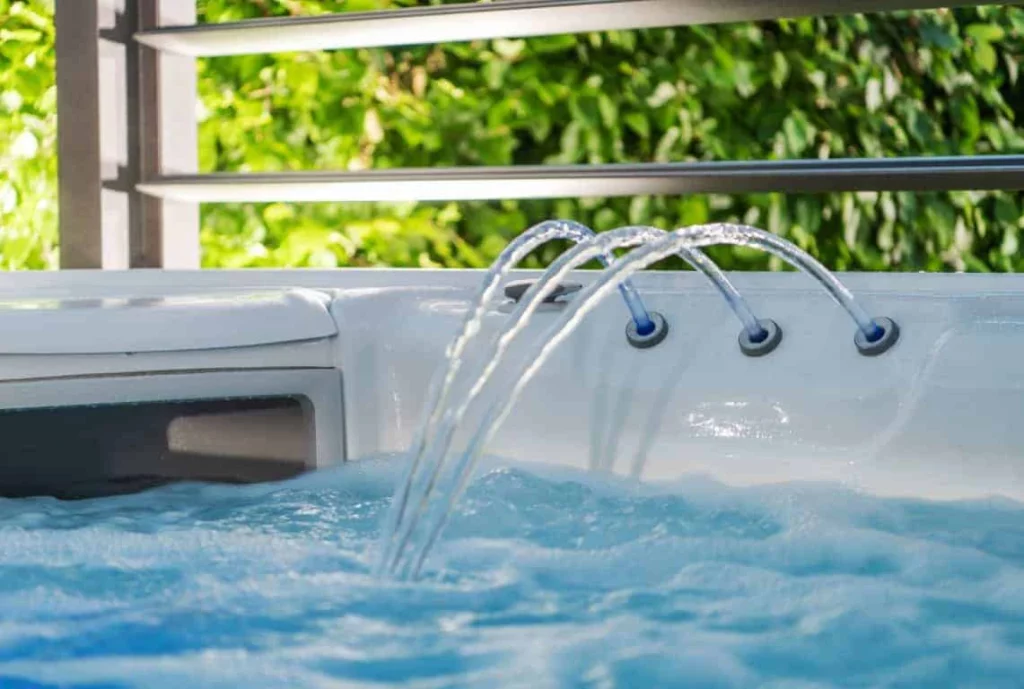
Remember – It is Not Safe to Fall Asleep in the Hot Tub
You may be asking the question what happens if you fall asleep in a hot tub? Relaxing in a hot tub can sometimes be too sedating. Hot tub use can involve health risks that you can take steps to avoid:
Limit the Water Temperature
Excessively heating your core body temperature can lead to the health and life risks of hyperthermia. The absolute maximum safety limit for hot tub water is 104°F. Always check the water temperature with a thermometer before stepping in. Simply using a dip of your toe to “test” your hot tub isn’t enough.
Limit Your Time Spent in the Water
Medical professionals recommend a time limit of no more than 20 minutes.
Stay Hydrated
Hot tubs make you sweat and can leave you dehydrated. In addition, drinking alcohol can further contribute to dehydration. Regardless of whatever else you may choose to imbibe, be sure to also include water or water-based beverages.
| Safety Consideration | Recommendation |
|---|---|
| Water Temperature | Keep below 104°F; use a thermometer to check. |
| Soak Duration | Limit to 20 minutes to avoid overheating. |
| Hydration | Drink water before and after to prevent dehydration. |
| Avoid Falling Asleep | Stay alert or soak with a companion to ensure safety. |
Other Helpful Bedtime Tips for Better Sleep
A 20-minute hot tub session at night before bedtime can set you on a path toward falling into a deep restorative sleep 90 minutes later. But be sure to avoid behaviors that can sabotage their sleep-inducing effects.
- Set a regular, absolute bedtime
- Create a wind-down routine and stick to it
- Avoid taking in alcohol, tobacco, or caffeine
- Don’t exercise right before bedtime
- Dim all lights to trigger the production of melatonin in your brain
- Turn off all technology
- Move all daytime activities out of the bedroom
- Turn down the temperature in your room
- Block out nighttime noise distractions with ambient music or white noise sound effects
Common Questions About Hot Tubs and Sleep
Should you use a hot tub before bed?
Yes. A warm soak before bed is a natural way to fall asleep faster and reach deeper sleep. It eases muscle tension, lowers the stress hormones that keep you awake, and triggers a drop in body temperature that signals your brain it is time to sleep.
How long before bed should you get out of the hot tub?
About 90 minutes. Leaving the hot tub roughly 90 minutes before bedtime stretches out the natural drop in your core body temperature, which deepens the signal to your brain that it is time to sleep.
What happens if you fall asleep in a hot tub?
It is not safe to fall asleep in a hot tub. A warm soak can be very sedating, so keep the water below 104 degrees Fahrenheit, limit sessions to about 20 minutes, stay hydrated, and never soak alone if you feel drowsy.
Come Get Your Sleep Solution
Would you like some advice from a hot tub expert? Call the specialists at Epic Hot Tubs at 888-884-3742 or contact us for your free, no-obligation consultation where we can answer all of your questions about hot tubs and discuss options for hot tub placement that will complement your home and your lifestyle.
At Epic Hot Tubs, we have grown a large family of happy hot tub customers throughout the greater Raleigh & Durham areas. Let us help you rest easy!
Have questions, or want to see options in person? Stop by any of our five North Carolina showrooms and talk it through with our team: Raleigh, Durham, Sanford, Charlotte, or North Charlotte. We are open 7 days a week, no appointment needed.

Ready For Better Sleep? Get your hot tub in NC today.
Call 888-884-3742 or Fill Out the Form Below to Contact Us Today!

About The Author:
Richard Horvath
Hot Tub & Spa Expert
Richard has been in the hot tub & spa industry for years. As a long hot tub & swim spa owner himself, Richard has a passion for helping homeowners create their dream backyard, helping over one thousand North Carolina homeowners achieve that dream in the process.


